



Neck stiffness and pain are becoming increasingly common due to habits such as using computers and phones, and incorrect posture while sitting. Some gentle yoga poses can help relax neck muscles, improve blood circulation, and effectively reduce pain.
Neck stiffness is a common condition, especially among office workers, those who use smartphones frequently, or those who sit for long periods in front of a computer. This condition often occurs after many hours of working in a bent-over position or holding the neck in a fixed position. The neck is an area with many muscles and ligaments that support the head and facilitate movement. When these muscles are subjected to prolonged pressure, they can become strained, stiff, and painful.
Common causes of neck pain and stiffness include:
- Sitting for long periods with a hunched back or bowed head
- Using a phone for extended periods of time.
- Working with a computer but the monitor is positioned too low.
- Incorrect sleeping posture or a pillow that is too high.
- Prolonged psychological stress
- Lack of exercise…
If left untreated, neck pain can radiate to the shoulders, upper back, or cause headaches, reducing work performance and affecting daily life. Besides correcting posture and getting adequate rest, practicing gentle neck stretching exercises like yoga can help improve this condition.
1. How does yoga help relieve neck pain?
Yoga is a form of exercise that combines physical movement, breathing, and mental relaxation. Many studies show that yoga helps improve muscle and joint flexibility, increase blood circulation, and reduce muscle tension. For the neck and shoulders, gentle yoga movements can offer numerous benefits:
- Helps to stretch and relax the neck muscles.
- Reduce pressure on the cervical spine.
- Improves blood flow to muscle tissues.
- Improve body posture
- Reduce stress and fatigue...
Regular yoga practice can help reduce neck stiffness and support the restoration of neck function.
2. Yoga poses to relieve neck stiffness and pain.
2.1 Cobra Pose for Relieving Neck Stiffness and Pain
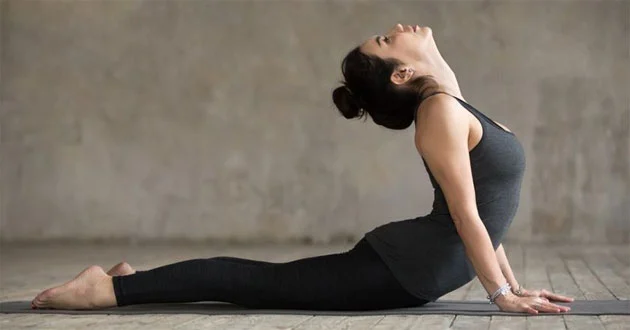
The cobra pose in yoga strengthens the back and neck muscles.
The cobra pose is one of the basic yoga poses that helps stretch the spine, open the chest, and strengthen the back and neck muscles.
How to do it:
- Lie face down on a mat, with both legs extended straight behind you.
- Place both palms flat on the floor, level with your shoulders.
- Inhale and slowly lift your head and chest off the floor.
- Keep your neck straight and your eyes looking straight ahead.
- The abdomen and hips remain flat on the floor.
- Hold the pose for about 10–15 seconds.
- Slowly lower yourself down and return to the starting position.
Benefits: This pose helps stretch the cervical and lumbar spine, reduces muscle tension in the neck and shoulders, and strengthens the back muscles. Beginners should perform the movement gently, avoiding lifting too high to prevent muscle strain.
2.2 Cat-Cow Pose
The cat-cow pose combines two movements: bending and arching the back, which helps to make the spine more flexible. This is one of the exercises often recommended to reduce stiffness in the neck, shoulders, and back.
How to do it:
- Kneel on the exercise mat, supporting yourself on your hands and knees.
- Place your hands flat under your shoulders and your knees under your hips.
Step 1 – Crawling position: Inhale, lift your head and chest; lower your abdomen and slightly arch your back.
Step 2 – Cat Pose: Exhale, lower your head; arch your back upwards, tighten your abdominal muscles.
Repeat this movement about 8–10 times.
Benefit: This exercise reduces stiffness in the cervical spine, increases spinal flexibility, and helps alleviate lower back pain. It's suitable for many people, including yoga beginners.
2.3 Baby's position
The "Child's Pose" is a relaxing yoga pose that helps relieve tension in the neck, shoulders, and back. This pose is especially helpful for people who frequently experience neck pain due to stress or prolonged computer use.
How to do it:
- Kneel on the mat, sitting on your heels.
- Slowly bend forward.
- Gently place your forehead on the mat.
- Extend both arms straight forward or place them along your sides.
- Take a deep breath and hold the pose for 20–30 seconds.
You can repeat this exercise 4–5 times, depending on your ability.
Benefits: Relaxes neck and shoulder muscles, reduces pressure on the spine, helps the body unwind and reduces stress…
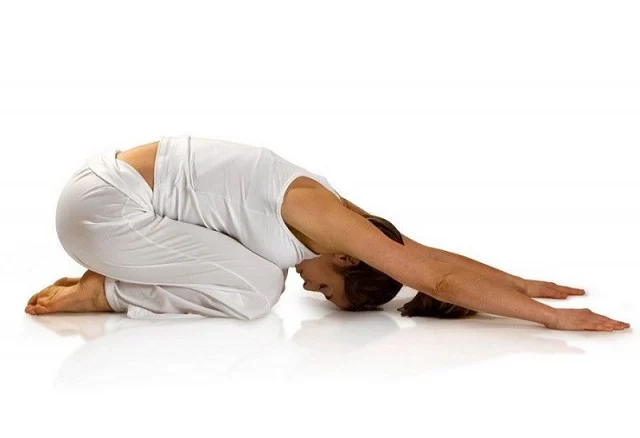
The child's pose helps relieve tension in the neck, shoulders, and back, reducing neck stiffness and pain.
3. Things to keep in mind when practicing yoga to avoid worsening neck pain
Although yoga can help improve neck pain, it needs to be done correctly to avoid injury. Some important points to note include:
- Do some light warm-up exercises before training.
- Do not perform the movements too forcefully or too quickly.
- Stop exercising if the pain increases.
- Maintain a steady breathing rhythm while exercising.
- Practice on a soft mat to avoid injury...
People with cervical spine conditions, herniated discs, or neck injuries should consult their doctor before exercising.
Besides practicing yoga, changing your lifestyle habits is also very important, for example:
- Adjust your computer screen to eye level.
- Take a break after every 30–60 minutes of work.
- Avoid bending your head down for extended periods while using your phone.
- Use a pillow of the appropriate height.
These small changes can help reduce pressure on the cervical spine and limit the recurrence of pain.
4. When should I see a doctor?
Neck stiffness and pain usually improve after a few days of rest and light exercise. However, it is necessary to see a doctor if the following signs appear to help detect cervical spine problems and receive timely treatment:
- The pain lasts for many days without relief.
- Pain radiating down the shoulder or arm.
- Numbness or weakness in the hands
- Pain after injury...
The information in this article is for informational purposes only and does not replace medical diagnosis or treatment. Readers should consult a doctor when experiencing health problems.