



For people with diabetes, high blood sugar increases the risk of damage to blood vessels, kidneys, heart, and nerves. Some studies suggest that sulfur compounds in garlic, particularly allicin, may improve insulin sensitivity and glucose metabolism.
Here are some of the beneficial effects of garlic on blood sugar.
Increased insulin secretion from pancreatic beta cells.
One of the most important mechanisms is garlic's ability to improve insulin secretion. Insulin is a hormone that helps move glucose from the blood into cells for use as energy. Several animal studies have shown that the compound allicin in garlic can protect and improve the function of beta cells in the pancreas, where insulin is secreted, according to Eating Well (USA).
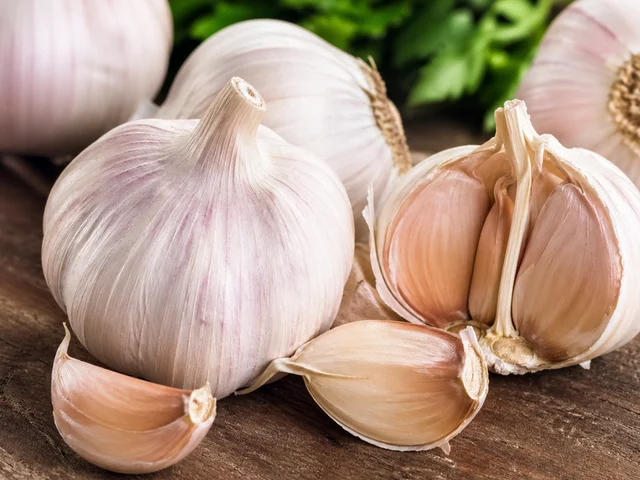
Garlic contains nutrients that can improve insulin secretion.
PHOTO: AI
Mechanistically, garlic may help reduce beta cell death. This allows the pancreas to secrete insulin more effectively when blood sugar levels rise. As a result, more glucose is transported into the cells, helping to lower blood sugar.
Affects digestion
Garlic can also directly affect the digestion of starch and absorption of sugar. Some studies show that compounds in garlic can inhibit enzymes involved in the breakdown of starch.
When the process of breaking down starch into glucose is slower, post-meal blood sugar levels rise gradually instead of suddenly. This is especially beneficial for people at risk of or already suffering from diabetes.
Additionally, garlic can slow the absorption of glucose in the intestines, helping to stabilize blood sugar levels after meals. This is similar to the mechanism of some foods with a low glycemic index.
Reduce oxidative stress and inflammation .
Oxidative stress and prolonged inflammation are two significant contributing factors to diabetes. When free radicals accumulate, they damage beta cells and reduce the effectiveness of the hormone insulin.
The sulfur-containing compounds in garlic, particularly allicin, possess strong antioxidant properties. These substances help neutralize free radicals, reduce cell damage, and inhibit inflammatory substances such as TNF-α and IL-6. When inflammation and oxidative stress are reduced, the body becomes more insulin-sensitive and blood sugar is better controlled.
Regulating the gut microbiome
Several recent studies suggest that allicin in garlic may alter the composition of gut bacteria in a beneficial way, while also increasing the hormone GLP-1. This hormone helps increase insulin secretion during meals and lower post-meal blood sugar, according to Eating Well .