


According to nutritionist and preventative cardiologist Patricia Kolesa (USA), hibiscus tea is naturally caffeine-free and may be a suitable beverage option for those concerned about blood pressure. This tea is among the drinks with potential to support cardiovascular health, according to EatingWell.
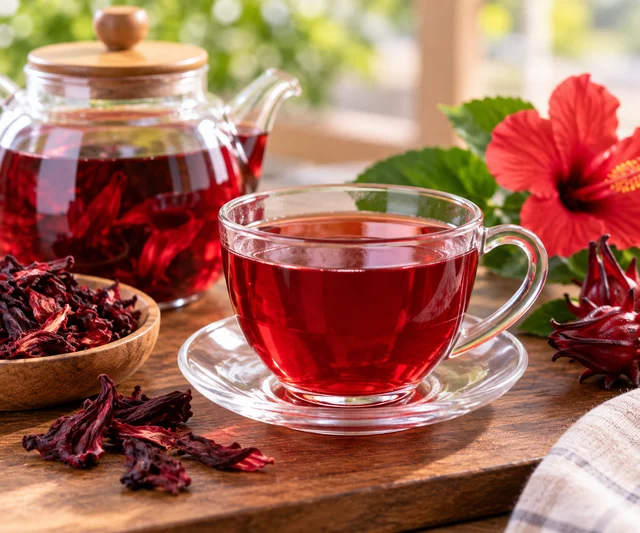
According to experts, hibiscus tea is caffeine-free, making it a suitable option for those concerned about blood pressure.
Photo: PH created using AI
What's so special about hibiscus tea?
Hibiscus flowers contain many plant compounds, including polyphenols and anthocyanins. These compounds are being studied for their antioxidant properties and potential effects on vascular function.
One notable piece of evidence comes from a randomized, double-blind, placebo-controlled trial of 65 adults aged 30-70 with prehypertension or mild hypertension.
Participants were divided into two groups, one group drinking 3 cups of hibiscus tea, each 240 ml, per day for 6 weeks. The results showed that systolic blood pressure in the tea-drinking group decreased by an average of 7.2 mmHg, compared to 1.3 mmHg in the control group.
However, the study was small-scale and only conducted on people with pre-hypertension or mild hypertension. Therefore, hibiscus tea cannot yet be considered a treatment for hypertension.
It can be drunk after dinner.
One advantage of hibiscus tea is that it is caffeine-free, making it a better choice for those sensitive to caffeine or who wish to limit caffeinated beverages in the evening.
Hibiscus tea has a naturally mild sour taste and can be enjoyed hot or cold. A simple method is to steep dried hibiscus flowers or tea bags in hot water, then let it cool slightly before drinking.
In particular, a healthy cup of tea should not be turned into a sugary drink. Adding sugar, syrup, or high-calorie sweeteners can diminish the benefits of an option that is otherwise suitable for a heart-healthy diet.
Don't just expect a cup of tea.
According to the American Heart Association (AHA), controlling blood pressure requires a holistic strategy, including a heart-healthy diet, reducing sodium intake, increasing potassium-rich foods where appropriate, maintaining physical activity, managing weight, getting enough sleep, and limiting or avoiding alcohol.
Adults should aim for at least 150 minutes of moderate-intensity exercise each week, such as brisk walking, cycling, or swimming.
In your diet, prioritize green vegetables, fruits, whole grains, legumes, nuts, fish, and lean protein sources; while limiting foods high in salt, processed meats, and sugary drinks.
If you are taking blood pressure medication, you should not reduce your dosage or stop taking it altogether to replace it with hibiscus tea. The tea should only be considered as part of a healthy diet and lifestyle.
If your blood pressure remains consistently high despite lifestyle changes, you should consult your doctor for evaluation and appropriate treatment.