


- 1. Understanding nutrition correctly when following a vegetarian diet.
- 2. Some important things that beginners in vegetarianism need to know.
1. Understanding nutrition correctly when following a vegetarian diet.
One of the most common mistakes made by new vegetarians is sticking to just a few familiar vegetables or relying too much on refined carbohydrate products such as white rice, vermicelli, noodles, bread, etc.
This makes the body susceptible to severe nutritional deficiencies because no single plant contains all the necessary nutrients. Overconsumption of refined carbohydrates also leads to rapid blood sugar spikes, easy fat accumulation, and frequent hunger pangs.
Furthermore, many people enjoy eating "imitation vegetarian" products such as vegetarian meat, sausages, or other ready-made vegetarian dishes because they find them tasty and convenient, forgetting that these ready-made "vegetarian meat" and "vegetarian sausage" products often contain many preservatives, artificial colors, saturated fats, artificial flavorings, sugar, and very high levels of salt. Consuming too much of these substances can lead to high blood pressure, increased bad cholesterol, and inflammation in the body.
According to Dr. Dang Ngoc Hung, Director of the Institute for Nutrition Research and Consulting, vegetarianism is inherently quite good; it only becomes negative when we practice it incorrectly.
Those who choose a vegetarian diet should note:
- Eat a variety of foods, from 15 to 20 different types, or even 20 to 30 types if possible, and choose many different vegetables in one meal.
- Eating eggs and drinking milk will help balance the protein intake in your body better.
- Using cooking methods such as steaming, boiling, and stir-frying instead of frying, sautéing, and grilling can reduce the risk of overweight, obesity, and related diseases.
- It is necessary to supplement certain micronutrients, especially vitamin B12, calcium, zinc, iron, magnesium, etc., as advised by a nutritionist.

It's advisable to choose a vegetarian diet that suits your health and preferences.
2. Some important things that beginners in vegetarianism need to know.
Ensure a diverse range of food sources to avoid nutritional deficiencies.
To ensure adequate nutrient intake, the principle is to maintain a diverse diet, paying attention to supplementing important nutrients that are often deficient in plant-based diets, such as protein, vitamin B12, calcium, iron, and omega-3s.
Your daily menu should include a variety of vegetables, whole grains, legumes, and nutritious nuts (almonds, walnuts, chia seeds, etc.). This diverse combination not only ensures proper nutrition but also stimulates the taste buds and prevents boredom.
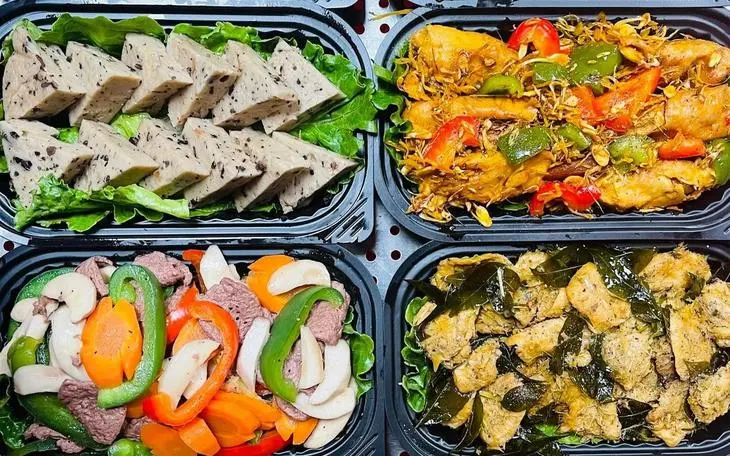
Flexibility in choosing a suitable vegetarian diet
Adopting a vegetarian diet doesn't necessarily mean completely eliminating all animal products from the start. Forcing yourself into a vegan diet too quickly can shock your body and lead to a deficiency in high-quality protein.
Depending on their health condition and personal preferences, beginners should consider choosing a flexible vegetarian diet (Lactovo-vegan). It contains eggs and milk.
Eggs and dairy products like yogurt and cheese are complete sources of protein, rich in vitamin B12, calcium, and essential amino acids that are often difficult to obtain in sufficient quantities from plants. Adding eggs and dairy to your diet helps the body balance protein intake and maintain muscle mass.
Listen to your body and make the change gradually.
Change gradually: It's not necessary to completely eliminate meat from your diet immediately. You can start with 1-2 days a week, then transition to a flexible vegetarian diet before moving on to a completely vegetarian one.
Monitor your digestive system's reaction: A sudden increase in fiber from vegetables and legumes can cause bloating and gas. Increase your intake gradually and drink plenty of water when consuming fiber-rich plant-based foods.
Cooking vegetarian dishes at home
Cooking at home allows us to choose good, diverse food sources and control the amount of seasoning added to ensure good health. Ready-made vegetarian dishes from restaurants often tend to use a lot of sugar, salt, MSG, or oil to enhance flavor and appeal, but eating them in large quantities can be harmful.
Undergo health checkups and take micronutrient supplements as prescribed.
People following a vegetarian or vegan diet should proactively get regular health checkups. If they show signs of nutrient deficiencies, they should supplement their diet as directed by their doctor. Proper and adequate supplementation will help prevent potential health risks.