


Not only is it a hub for goods from all regions, the city is also gradually developing a modern distribution system, large-scale shopping centers, an increasingly完善 logistics network, and many effective consumer stimulus programs. This journey demonstrates the continuous development of the city's trade sector, while also opening up new growth opportunities in the coming period.
Modern distribution ecosystem
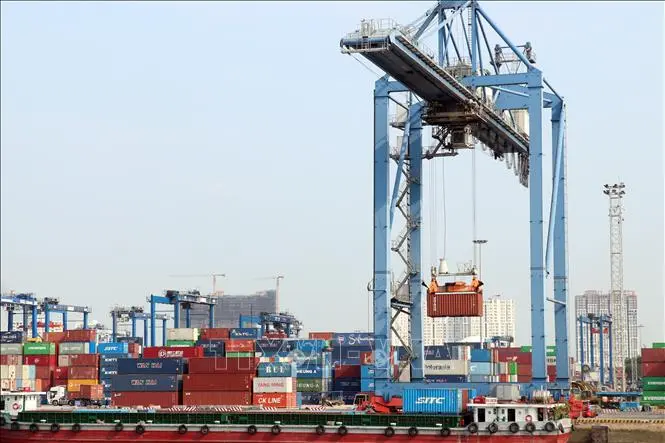
Building upon the foundation of goods circulation principles established in the early years of reform, Ho Chi Minh City has gradually developed a modern distribution system, becoming the largest goods hub in the country.
During this process, the emergence of supermarkets, shopping malls, convenience stores, and modern retail models has fundamentally changed the market landscape. Goods not only circulate faster but also reach consumers through increasingly professional and efficient supply chains.
According to Mr. Nguyen Ngoc Thang, Deputy General Director of Saigon Co.op , the establishment of Co.opmart in 1996 not only marked a step in the development of modern retail in Vietnam but also opened up a new distribution method, contributing to directly connecting manufacturers with consumers through a professional retail system. By pioneering the formation of a new type of commercial cooperative model, promoting digital transformation and developing a modern supply chain, Saigon Co.op has demonstrated its continuous efforts to innovate and adapt to market demands.
"While in the past the city sought to facilitate the flow of goods, today we continue to seek new solutions to connect producers and consumers more effectively, between Ho Chi Minh City and other localities, and between traditional and modern trade. This is also a way of inheriting the innovative spirit of the 'breaking barriers' of the past," Mr. Thang shared.
According to Ms. Ly Kim Chi, President of the Ho Chi Minh City Food and Beverage Association, one of the key factors contributing to the city's position is its role as a center for trade, logistics, and market connectivity. While not the largest food producer, the city boasts a modern distribution system, developed logistics services, and strong connections with raw material sources nationwide.
"Goods from various localities are collected, pre-processed, and then distributed throughout the country via an increasingly sophisticated trade network," Ms. Ly Kim Chi emphasized.
According to Mr. Nguyen Nguyen Phuong, Deputy Director of the Department of Industry and Trade of Ho Chi Minh City, from its initial innovative mindset, Ho Chi Minh City has gradually developed into the most dynamic commercial center in the country.
In addition, the city is building an increasingly complete consumer demand stimulation ecosystem through market stabilization programs, supply-demand linkages, concentrated promotions and regional linkages, while promoting green trade, sustainable consumption and multi-channel retail development.

Open up the space for development.
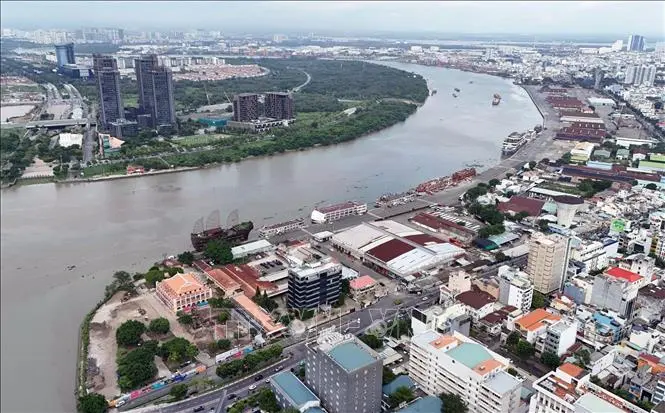
Entering a new phase of development, Ho Chi Minh City is facing many opportunities to elevate its trade sector. In particular, the establishment of a special mechanism for a special urban area, along with new development spaces, is expected to create more room for the city to invest heavily in logistics infrastructure, large-scale commodity trading centers, modern distribution systems, and the digital economy .
According to Ms. Ly Kim Chi, if the city previously facilitated the flow of rice, today it needs to continue facilitating the entire supply chain. When goods circulate faster and at lower costs, businesses, farmers, and consumers all benefit.
“While previously the barriers lay in the circulation of rice, today the ‘bottlenecks’ of trade have shifted to logistics infrastructure, transportation costs, digital transformation, quality standards, and the ability to connect with international markets. In this context, the central government’s permission for Ho Chi Minh City to develop a Law on Special Urban Areas is expected to create a new institutional space for the city to continue to promote its tradition of dynamism, creativity, and daring innovation, which has already been affirmed from the previous ‘breaking the barriers’ in the rice exchange,” Ms. Ly Kim Chi shared.
From a state management perspective, Mr. Nguyen Nguyen Phuong believes that the period from 2020 to the present has witnessed very rapid and unpredictable changes due to the impact of technology, science and engineering, and digital transformation. This requires the trade sector to continuously innovate its management methods and market organization.
According to Mr. Phuong, given the exceptionally large market size of Ho Chi Minh City, relying solely on inspection, control, and penalties would consume significant resources and might not yield the desired results. Therefore, the industry and trade sector has implemented many new management solutions, including the Responsibility Green Tick Program, to increase transparency in the supply chain and enhance the accountability of each market participant.
In addition, Ho Chi Minh City is also piloting commodity exchange models with the aim of developing into an international financial center. This is considered one of the solutions to standardize the quality of goods right from the input stage, increase market transparency, improve traceability, and create momentum for sustainable production.
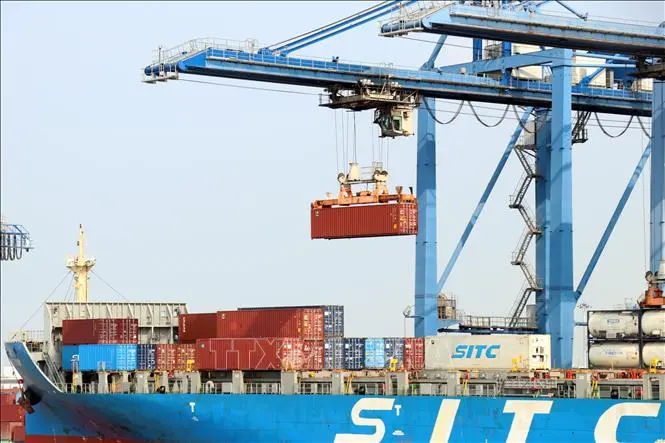
These solutions aim not only to address immediate market demands but also to build a more competitive commercial ecosystem regionally and internationally. However, to realize the goal of becoming a regional trade and service hub, Ho Chi Minh City needs not only investment resources but also a sufficiently broad institutional space to build a competitive commercial environment in the context of globalization and the digital economy.
"To compete with the world, we must be strong in technology, have a transparent institutional framework, know how to apply the latest scientific achievements, and create a favorable business environment for enterprises to develop. Along with that, we need appropriate support policies regarding the market, taxes, and attracting investment," analyzed Dr. Tran Quang Thang, Director of the Institute of Economics and Management of Ho Chi Minh City.



Furthermore, current development thinking cannot be confined to a single locality but must be placed within a broader regional context. Only by forming inter-regional value chains, leveraging complementary advantages, and promoting cooperative development can Ho Chi Minh City maximize its role as the country's commercial center and gradually rise to become a regional commercial and service hub.
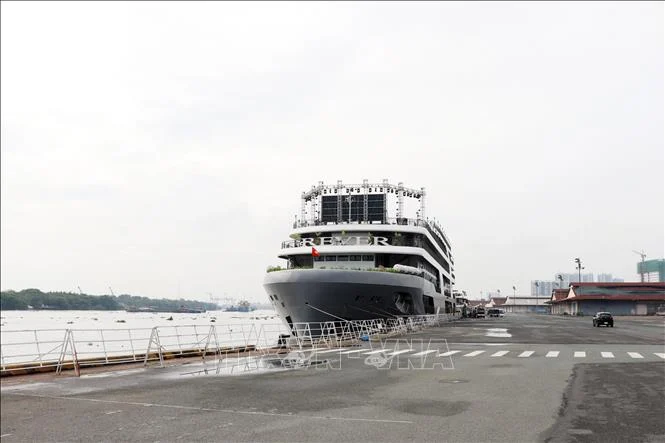
Notably, the implementation of the Law on Special Urban Areas is seen as a continuation of the innovative spirit that has defined Ho Chi Minh City throughout its development. According to Dr. Tran Quang Thang, the core of the law lies not only in granting the city more mechanisms and authority but also in opening up a broader institutional space for the city to proactively experiment with new development models, from digital commerce and smart logistics to commodity exchanges and modern financial and service centers.
Experts believe that Ho Chi Minh City's development momentum has always stemmed from correctly identifying the bottlenecks in practice and boldly seeking solutions to overcome them. In the new context, the Law on Special Urban Areas not only provides additional tools for the city to address infrastructure, logistics, and regional connectivity bottlenecks but also contributes to fostering the city's spirit of innovation in the new phase.