


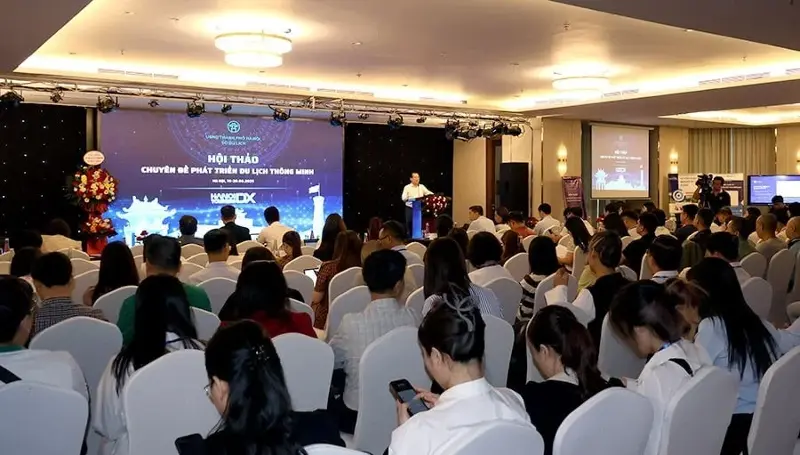
In the context of digital technology dramatically changing the way tourism is managed, conducted, and experienced globally, Hanoi has identified the development of smart tourism as one of its key directions to enhance the competitiveness of the destination, modernize management, innovate promotional activities, and improve the quality of service for tourists.
This was also the overarching theme of the Hanoi Smart Tourism Development Workshop 2026, organized by the Hanoi Department of Tourism on June 17th, aiming to concretize the Program and Plan for Investment, Trade, and Tourism Promotion in 2026 of the Hanoi People's Committee and the Hanoi Department of Tourism.
Digital transformation has become an essential requirement.
According to Nguyen Tran Quang, Deputy Director of the Hanoi Department of Tourism, in the context of the strong digital transformation taking place in all fields, the capital's tourism industry has identified the development of smart tourism as an important direction to improve the efficiency of state management, innovate methods of promotion and advertising, enhance service quality, and provide increasingly convenient and personalized experiences for tourists.
In reality, today's tourists' needs extend beyond sightseeing and relaxation; they also demand convenience throughout their entire journey, from information searching and service booking to payment and sharing experiences.
This places an urgent demand on regulatory bodies, businesses, and destinations to apply digital technology to meet the increasingly high expectations of the market.
With coordinated efforts from the central to local levels, Hanoi's tourism sector continues to maintain positive growth momentum. In the first six months of 2026, the capital city is estimated to welcome over 18 million visitors, further affirming its position as one of the country's major tourism centers.
However, despite the achievements, the digital transformation process of the tourism industry still faces many challenges.
Data systems in many units are not yet synchronously connected; the application of new technologies varies among businesses; the digital workforce does not fully meet development requirements; while many small and medium-sized enterprises still face difficulties in terms of resources to invest in technological solutions.
Therefore, building a synchronized, interconnected, and data-driven smart tourism ecosystem is becoming a key task for Hanoi's tourism industry in the new phase.

Completing the smart tourism ecosystem.
To realize the goal of building Hanoi into a "Safe - Friendly - High-Quality - Attractive - Smart" destination, the capital's tourism industry is focusing on implementing many comprehensive solutions.
The focus is on building a unified, shared tourism database; promoting the digitalization of resources and destinations; applying new technologies such as artificial intelligence (AI), big data, and virtual reality; innovating promotional activities on digital platforms; and simultaneously enhancing the digital human resource capacity for the entire industry.


The 2026 Smart Tourism Development Workshop focused on two key areas: the application of digital solutions in travel business and the application of AI in optimizing revenue for accommodation establishments. These are both sectors experiencing significant transformation to improve operational efficiency and service quality.
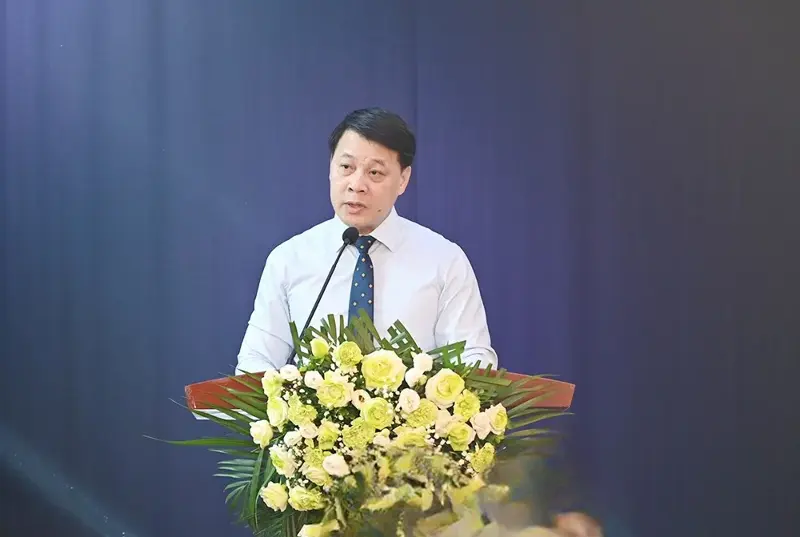
According to Mr. Ha Van Sieu, Deputy Director of the Vietnam National Tourism Administration, digital transformation in tourism needs to stem from practical problems faced by management agencies and businesses, using technology as a tool to improve management efficiency, strengthen ecosystem connectivity, and create new value.
Mr. Ha Van Sieu believes that the implementation of Resolution No. 57-NQ/TW of the Politburo on breakthroughs in the development of science, technology, innovation, and national digital transformation needs to be concretized into practical action programs, creating momentum for innovation in management models, developing digital platforms, and enhancing the competitiveness of the tourism industry.
In this process, government agencies play a facilitating role by building digital infrastructure, shared databases, and platforms that connect businesses with other businesses, businesses with government agencies, and partners throughout the tourism value chain.
Creating new momentum for businesses and destinations.
One of the key factors in promoting smart tourism is expanding the application of technology within businesses.
According to experts, businesses need to proactively leverage AI, Big Data, and digital platforms in market research, customer engagement, product development, sales, online payments, and personalizing the visitor experience.
This is considered key to helping businesses improve operational efficiency and participate more deeply in the smart tourism ecosystem.
Currently, Vietnam's tourism industry is gradually perfecting its digital ecosystem with many shared platforms already in operation, such as the Vietnam Tourism Database System, the Tourism Statistics Reporting System, the national tourism application "Vietnam Travel," and the "Tourism Management and Business" platform.
In addition, there are a range of solutions to serve tourists such as integrated electronic tickets, multimedia commentary systems, smart tourist cards, and promotional activities in the digital environment.
These platforms are gradually contributing to the formation of a smart tourism ecosystem, promoting data-driven governance, and strengthening linkages between management agencies, businesses, and tourists.
At the workshop, many models of technology applications in payment and tourism management were also introduced. Representatives from SHB Bank shared solutions for cashless payments, smart travel cards, dynamic QR codes, and connecting digital payments with the national tourism application "Vietnam Travel".
Integrating digital services allows tourists to access multiple services on a single platform, from opening online accounts, topping up accounts, paying for tours, flights, and train tickets to shopping at destinations. This lays the foundation for creating a seamless, convenient, and safer digital tourism experience.
Digital solutions not only serve tourists but also support businesses in managing cash flow, automating reconciliation, integrating booking systems, and improving operational efficiency.




Towards a smart, modern, and sustainable destination.
Promoting digital transformation and developing smart tourism is not just about applying technology to tourism activities, but also about a comprehensive innovation in management, business, and customer service methods.
For Hanoi, this is an important solution to concretize the goals in the Investment, Trade, and Tourism Promotion Program and Plan for 2026, creating a foundation for the tourism industry to develop in a modern, professional, and sustainable direction.
In the coming period, Hanoi's tourism industry will continue to promote data sharing, improve common digital platforms, enhance the application of AI and new technologies, and improve the digital capacity of tourism businesses and human resources.
The goal is to improve the management efficiency and competitiveness of the industry, create more convenient, intelligent, and personalized experiences for tourists, and gradually transform Hanoi into the leading smart destination in the country in the digital age.