


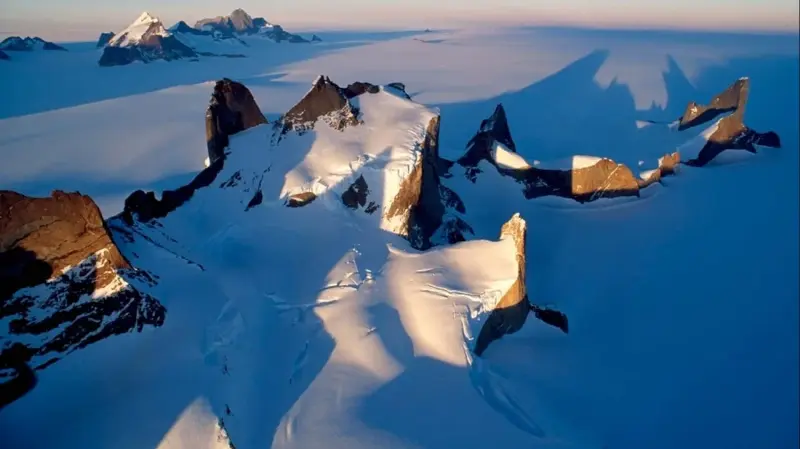
For many years, Antarctica has continuously lost mass as glaciers shed ice into the ocean, contributing to rising sea levels. However, in the period from 2021 to 2023, this trend unexpectedly reversed for a short time.
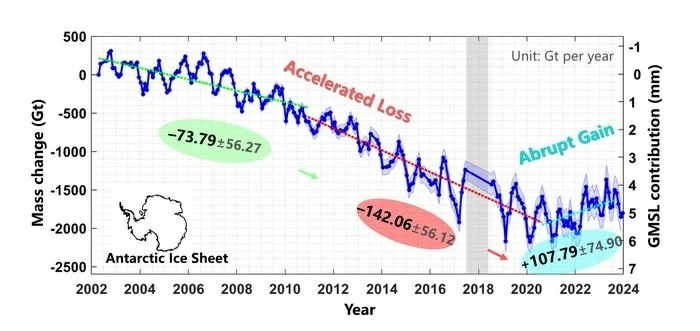 Satellite data from GRACE and GRACE-FO show that Antarctic ice mass temporarily increased again between 2021 and 2023, after years of decline. (Source: EurekAlert)
According to a study published in the journal Nature , Antarctica's ice mass increased by approximately 695 billion tons in 22 months, the largest increase over a 22-month period ever recorded on the continent in the past 20 years.
Research indicates that the primary cause is exceptionally heavy snowfall in certain areas of East Antarctica. Between 2003 and 2024, Antarctica lost an average of approximately 140.5 billion tons of ice per year. However, the ice mass balance shifted significantly from July 2021 to April 2023.
Researchers suggest that the surge in snowfall is linked to prolonged ocean warming in a tropical region known as the "tropical warm seas."
Behind the sudden change
The most noticeable changes have been observed in East Antarctica and the Antarctic Peninsula, while some areas in West Antarctica continue to lose ice.
The most significant increase in ice was recorded in the Queen Mary Land and Wilkes Land regions of East Antarctica, at approximately 470 billion tons. By comparing satellite data with rainfall and climate figures, researchers determined that the unusual snowfall was the primary cause.
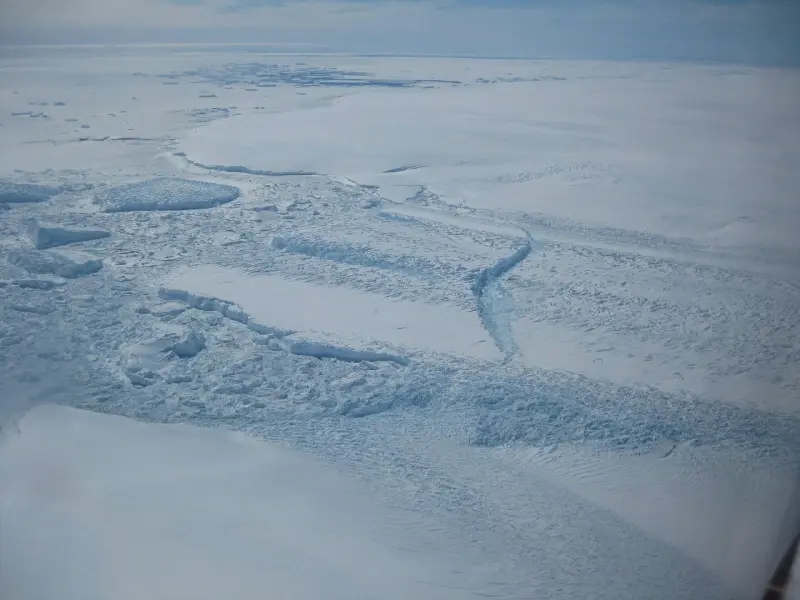 The Dibble Ice Shelf is located in Wilkes Land, East Antarctica. (Source: NASA)
In Queen Mary Land and Wilkes Land alone, snowfall added approximately 351 billion tons of ice during the study period. This large amount of snow temporarily compensated for ice loss in other areas, leaving the total ice mass of Antarctica virtually unchanged between 2021 and 2024.
Researchers suggest that this phenomenon is related to higher-than-average sea surface temperatures in the "warm tropical seas," the area located between the western Pacific and eastern Indian Oceans.
The prolonged warming of seawater in this region has impacted atmospheric circulation, forming Rossby waves and creating a high-pressure area in East Antarctica. This mechanism carries large amounts of moisture from the Indian Ocean toward Antarctica. Upon reaching the continent, the moisture condenses and falls as snow.
Is this a positive sign?
According to researchers, this is primarily a short-term atmospheric phenomenon and does not mean that the trend of ice loss in Antarctica has reversed. In the long term, climate change could continue to alter the paths of storm systems, thereby impacting rainfall and snowfall in the region.
An increase of nearly 695 billion tons of ice in less than two years is a remarkable figure, but it's not enough to confirm that Antarctica is recovering.
During the same period, West Antarctica continued to lose ice, particularly in areas that had already been declining for many years. The increase in ice was mainly concentrated in certain areas of East Antarctica and largely came from unusual snowfall.
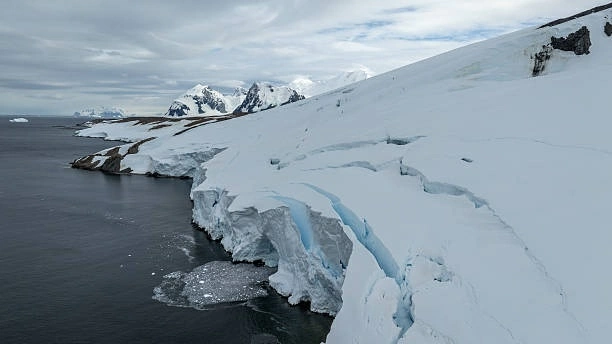 The Shoesmith Glacier on Horseshoe Island, in western Antarctica, is shrinking by about 3 cm per day. (Source: Getty Images)
The study estimates that human activity contributes only about 9% to the unusually high rainfall in Queen Mary Land and Wilkes Land. The majority of this phenomenon stems from natural atmospheric and oceanic fluctuations.
This finding also suggests that climate fluctuations in areas thousands of kilometers from Antarctica could impact the amount of ice on the continent. Changes in ocean temperature could disrupt atmospheric circulation, thereby affecting the amount of moisture transported to Antarctica and the amount of snowfall there.
Similar prolonged periods of ocean warming in the tropics are thought to occur about once every decade. This means Antarctica could continue to experience exceptionally heavy snowfall in the future.
However, such heavy snowfalls cannot reverse the long-term trend of ice loss. Warm ocean waters continue to melt ice from below, particularly in West Antarctica, thereby contributing to rising sea levels.
The recent increase in ice volume is a notable short-term fluctuation, but it is not yet a sign that Antarctica has reversed its decades-long ice loss trend.