



As pressure to commercialize humanoid robots and industry competition intensified, Boston Dynamics faced significant senior management changes just before its IPO.
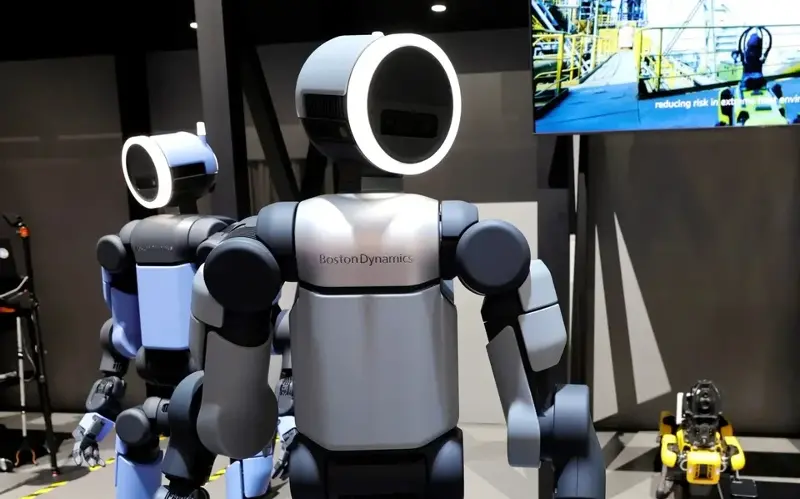
Boston Dynamics is facing pressure to expand production. Photo: Reuters .
Boston Dynamics, the robotics company in which Hyundai acquired a controlling stake in 2021, is experiencing a significant brain drain at the top leadership level. Notably, this is happening while the company is undergoing a period of expansion.
The company is aiming for an IPO and discussing opening new production facilities. After Hyundai acquired a controlling stake, Boston Dynamics is no longer just researching demonstration robots, but must shift to large-scale production and aim for the commercialization of robots, especially humanoid robots.
Furthermore, preparing for an IPO means the company is facing a major financial turning point. The business needs to demonstrate a clear business model, revenue growth, and build trust with investors.
However, CEO Robert Playter retired in February, followed by the company's chief operating officer and chief strategy officer. CTO Aaron Saunders moved to Google DeepMind, along with the departure of several other senior robotics researchers and engineers.
According to Semafor, some former employees said these leaders were pressured to leave by the board of directors, due to concerns that the company's competitive advantage was narrowing compared to rivals. They said they were under pressure to accelerate the development and delivery of humanoid robots to Hyundai.
Previously, the company had stated its intention to integrate "tens of thousands" of such robots into its automotive manufacturing plants over the next few years. As of this year, the company is producing approximately four Atlas humanoid robots per month, while preparing to open a new production facility in the coming months.
“These changes are intended to help us prepare for the next chapter of Boston Dynamics. At that point, we need an organizational structure that can support the mass production of robots and rapid scaling in this burgeoning industry,” a company spokesperson said.
This person also stated that the company is currently moving from the prototype to the production version of Atlas, and is rapidly increasing production capacity. Boston Dynamics is not alone; many large tech companies and startups are pouring resources into humanoid robots, making this one of the new races in the AI industry.
Tesla is developing the Optimus robot with the ambition of applying it directly in factories, while Figure AI has raised hundreds of millions of dollars from major investors to develop labor robots. Agility Robotics has also begun deploying the Digit robot in real-world warehouse environments.
With its advantage gradually shrinking, coupled with stringent requirements from Hyundai, Boston Dynamics is facing significant pressure regarding deadlines and efficiency. The company is forced to accelerate the industrialization of its products, instead of continuing to pursue technology demos as before.