



There is a moment in The Lion King when Simba passes from the abundance of the Pride Lands to the shadowy world of the Elephant Graveyard.
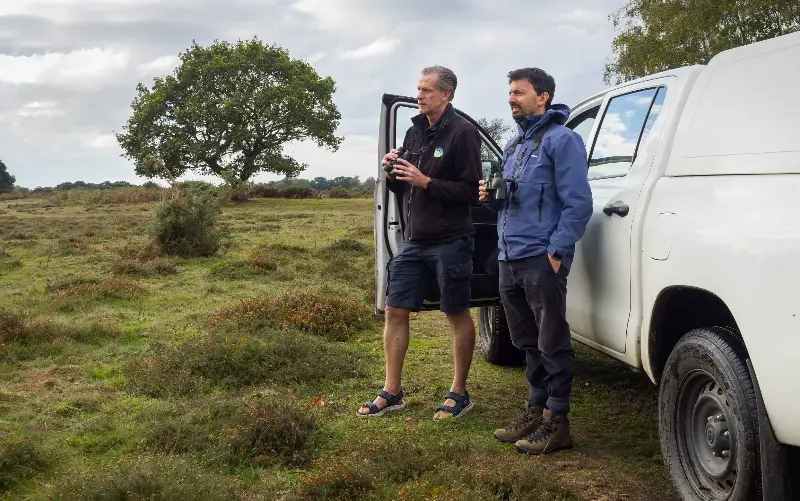
A similar thing happens in a far corner of RSPB Minsmere. One minute you are rumbling off-road in a 4x4 vehicle, squinting through binoculars for red deer, listening closely for rare birdsong. The land is lush and alive. The next, you are in an expanse of blackened earth and charcoal trees.
On July 29 this year, on one of the hottest days of the year, a fire started on Dunwich Heath before spreading into RSPB Minsmere. At its worst, the flames moved at 50m per minute. The fire raged for many days and made headline news because, at one point, it was feared the nearby Sizewell nuclear power plant could be at risk if the winds changed. That catastrophe never materialised, but an ecological one did. Countless bird nests, insect colonies and rare invertebrate species were lost in the blaze.
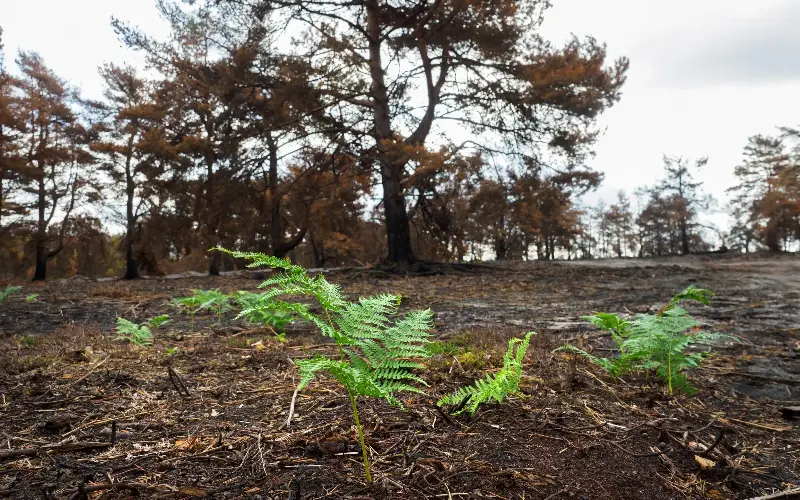
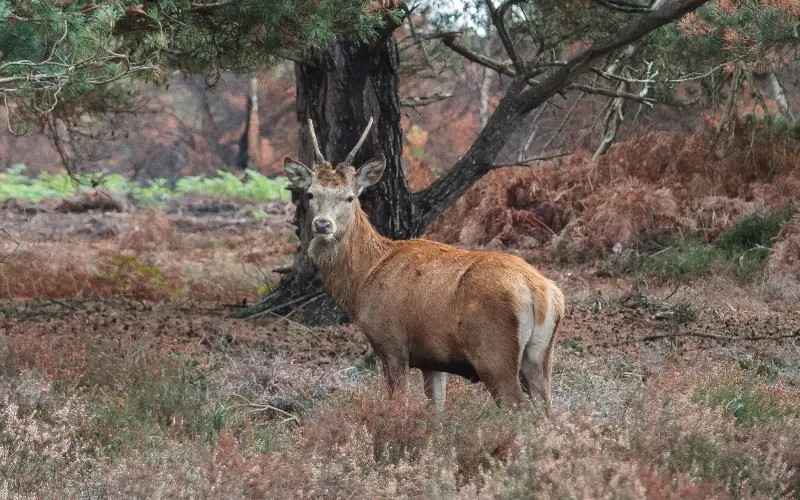
Three months on, red deer and rare birds have started to return to Minsmere’s heathlands, but human visitors remain down by as much as 20 per cent at a time when the reserve needs more support than ever before.
‘Some people can’t bear to see the fire site’
I met Ian Barthorpe, visitor experience officer at RSPB Minsmere, at the visitor centre, half a mile inland from Suffolk’s bracing North Sea coast. We drove down a track, passed through a gate and then continued off-road in search of Britain’s largest land mammal.
“People want to see the locking of antlers, but what the rut is really about is the bellowing and posturing. It’s like what you see outside a nightclub on Prince of Wales Road in Norwich at 1am,” he jokes, as our vehicle bounced along the edge of a field at low speed.
We moved through the Sandlings heathland, while keeping a close eye out for the majestic red deer. This year, Barthorpe says, the stags have returned in good numbers for rutting season. The females are down slightly, potentially because some were present during the fires and have yet to return.
We were the only vehicle in this expansive section of RSPB Minsmere, which varies from open heathland habitat to shady woodland. Occasionally, the white flash of a rabbit tail, the dash of a muntjac or the inelegant gobble of a pheasant took my gaze elsewhere. Or a particular birdsong would catch Ian’s attention.
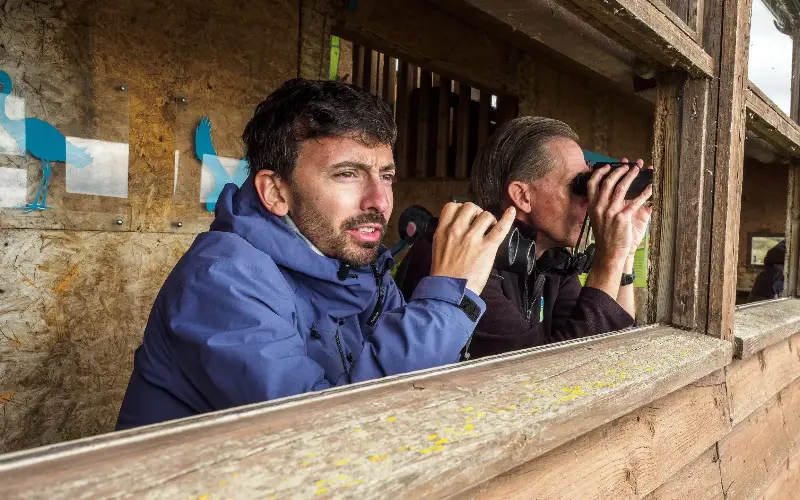
“Dartford warbler,” he says, handing me his binoculars. “That’s good news.”
The team at RSPB Minsmere is monitoring the movements of wildlife following the fires. As the inferno raged, many birds were able to escape, although it remains unclear which ones will return and in what numbers. Some ground-dwelling creatures burrowed deep to escape the heat. But many slower-moving mammals, invertebrates and reptiles were killed. The silver-studded blue butterfly, already nationally scarce, was particularly impacted.
The sadness of this great loss of life, and the apocalyptic vision of the scorched heath, has been enough to keep some visitors away.
“Some people have stayed away from the reserve because they can’t bear to see the fire site,” Barthorpe says as we cross a firebreak nicknamed the M25 due to its great width. But most, he concedes, are simply unaware that the reserve is open for business.
“There was an assumption the whole site was on fire. I had a coach tour cancelling in October, which was such a shame.”
The truth is that most visitors can spend a whole day at RSPB Minsmere without venturing anywhere near the fire damage. A glimpse of the affected tract of heathland is optional for 4x4 tours, but this area in Minsmere spans just 30 hectares. For perspective, the full site spans more than 1,000 hectares. It’s like not visiting the British Museum because 3 per cent of the building is closed for renovations.
In the end, a fleeting glimpse of a yearling was as close as we got to a red deer spectacle at Minsmere. It did little to dampen the experience, just as an elusive leopard fails to ruin a savannah safari.
“If it was called a squirrel or rabbit safari, you’d be delighted,” Barthorpe says as we return from the tour to explore Minsmere’s world-famous wetlands. We were greeted by a symphony of reedlings, rails, pipits and warblers, as if they were calling out for faraway nature-lovers to return.
‘People are so irresponsible, they lack common sense’
The perception that Minsmere remains out of bounds may be because neighbouring Dunwich Heath, which suffered even greater destruction during the summer fires, is closed to visitors.
Its heath and the adjoining coast are off limits on safety grounds. Coastal winds can stir up ash and debris, firebreaks pose trip hazards, and damaged trees are vulnerable to collapse. There is also the issue of unexploded ordnance that was exposed by the fire, which requires further assessment, and the cliff tops have become fragile.
This stretch of coast is all part of the same tourist ecosystem. In Dunwich village, up the coast, the fallout from the summer is felt, as well.
“It killed us,” says Sarah Elsley, co-owner of Flora Tea Rooms, which serves cakes and fish and chips overlooking Dunwich Beach. “We would usually be on around 200 tickets a day, and then we were down to 50 or 60. It was a heatwave, and we have a free car park, but it was just dead.”
East Suffolk had been enjoying a prosperous summer season to that point, with visitor numbers in July up 15 per cent compared to the same month two years prior. But after the fires, visitor numbers slumped, and the trend continued into autumn. Locals are acutely aware of this, and indeed the dangers of fire.
“There were people having a barbecue on the beach a couple of weeks after, and the fire brigade came down. People are so irresponsible nowadays, they lack common sense. It is the minority spoiling it for the majority.”
Dunwich, once a major medieval port town that was submerged by sea, knows too well about the destructive force of nature. Now, the people who live on this stretch of east Suffolk coast hope for a period of renewal in 2027. But there is one date in the calendar to overcome first.
“We don’t like fireworks in the village. They’re very loud, they disrupt the wildlife, and it’s a very special place here in Dunwich. We’ve said as a collective we don’t want people letting off fireworks on the beach,” says Elsley. “I know in the winter it’s not as dry, but still. We don’t want them.”