




Bee Janaye is an interior designer on a mission to demystify the renovation process for homeowners. In addition to working on high-end projects across London and as far as Canada with her design studio, By Janaye, she is also prolific on TikTok and Instagram, where she shares tips, advice, and occasionally – controversial opinions (under the handle @diaryofahomedesigner).
“There is a lack of transparency about how much time and how many decisions are actually required to build the dream home that people see on Pinterest,” notes Janaye of the industry. She believes that soaring costs for labour and building materials have made doing up a property “a lifestyle choice”, and that trying to emulate the style of picture-perfect rooms on social media has led to a state of overwhelm for those outside the profession.
“Interior designers spend months designing every detail of a space before they go to build. It’s a full-time job, and one we’ve spent years learning from,” says Janaye, squashing the misconception that designers are simply drafted in to choose cushions and what to hang on the walls. Janaye would encourage anyone embarking on a gut renovation without the means for a designer to mastermind the look and feel of each room in the same way a professional would. “Everyone needs a collection of images or samples for each phase. They need to plan, plan, plan, and work to a set budget. If self-managing the build, consider taking time off work to do so,” she says.
In her own words, Janaye shares the professional tips she uses with her high-end clients to help make every project run smoothly and gives consistent results.
Design for how you live — then choose the finishes (not the other way around)
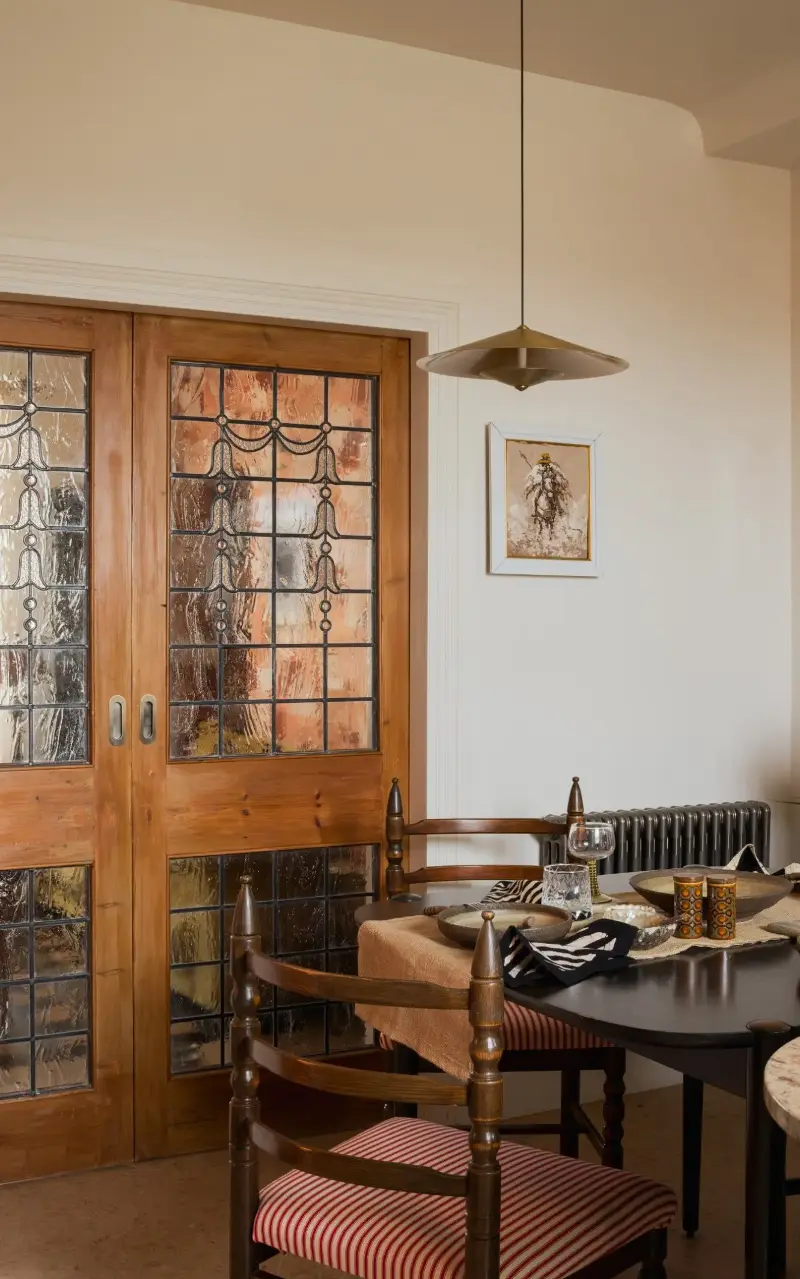
I encourage people to spend time really considering what it is they love about their current spaces, what drives them crazy, and what they would like to change. They write this down and these become anchors, long before we start discussing finishes.
A renovator needs to be able to articulate why something works best for them, for example choosing an integrated oven at eye level because they have had a bad back, or their need for a larger dining table. This creates a good position to make solid choices from. A key mistake I see people jumping the gun with is choosing a style of flooring very early on – such as chevron or herringbone – but by the time they’ve worked out all the other finishes, they realise it’s all going to look too busy. It’s the same with wall paint colours: you need to pick the furniture first.
Don’t let tradespeople dictate your lighting scheme
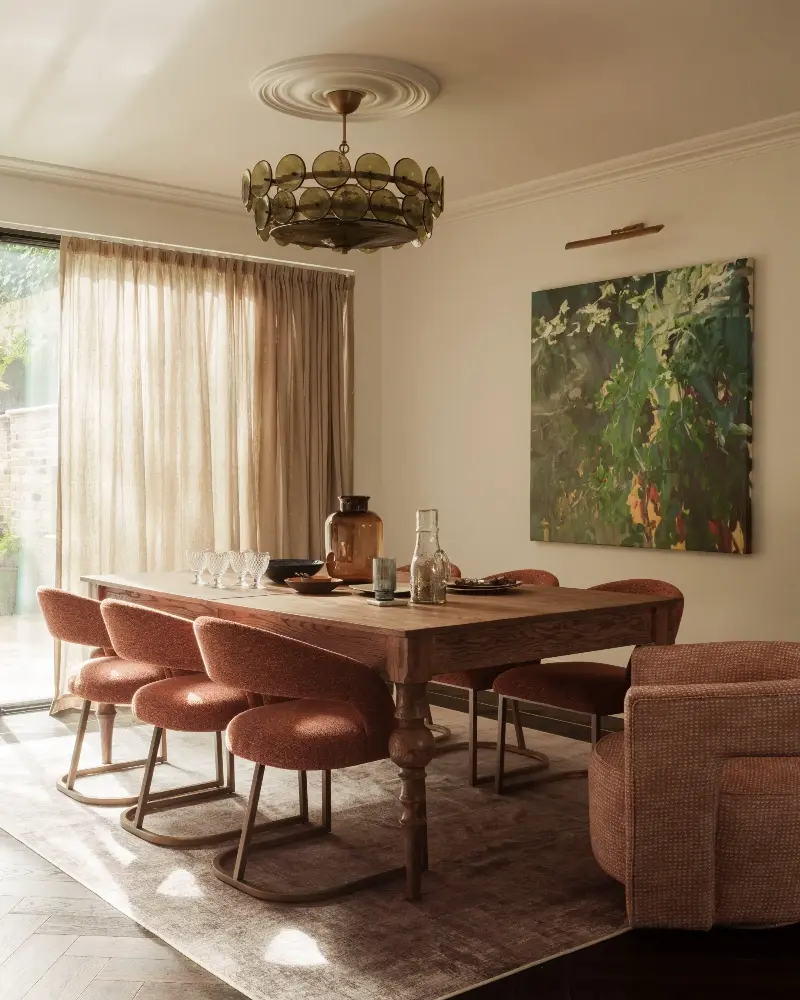
I don’t believe that you can have a well-designed space without beautiful lighting. An electrician is an expert in wiring and circuits, but not the one to warn you that a dozen spotlights in the ceiling is going to make a room feel sterile. Anyone can make their own lighting plan using a basic layout (or estate agent’s floor plan) of their home. Add in furniture placement and draw in what you think you need: such as a pendant over a dining table; wall lights around a banquette seat.
If you are planning for a reading corner in your lounge with a big cosy chair, why not put in an off-centre pendant to make a feature of it? This all needs to be planned long before the electrician is on site. Otherwise the builder will cost for a set amount of power points and when you start adding a picture light here and a pendant there, it won’t fall within the budget and costs start spiralling.
Get your builder to give itemised quotes
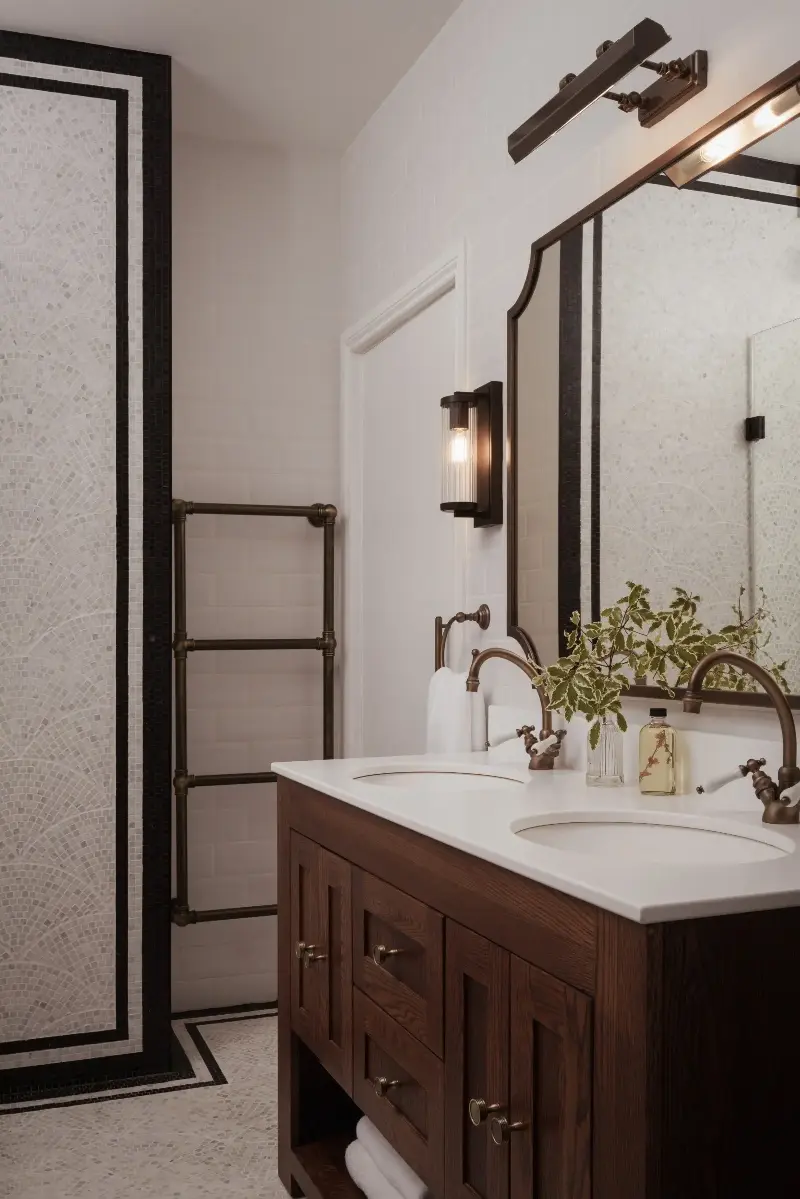
You can’t whittle down a builder from vague, blanket numbers. We compile a line-by-line itemisation of the work required in each space, which is known as a tender pack. This enables building firms to quote for a project accurately and crucially, it means we can compare estimates on a like-for-like basis.
Any homeowner can do this using a mock-up document online (do be warned: it is a time-intensive process). If this isn’t done, then there is no point obtaining several quotes because they won’t be comparable. A builder estimating tens of thousands less than another without understanding what the renovation costs are for means nothing, because you have no idea what you are comparing. It breaks my heart when clients simply opt for the cheapest and subsequently rack-up dozens of “extras”.
Spend your renovation budget in the right order
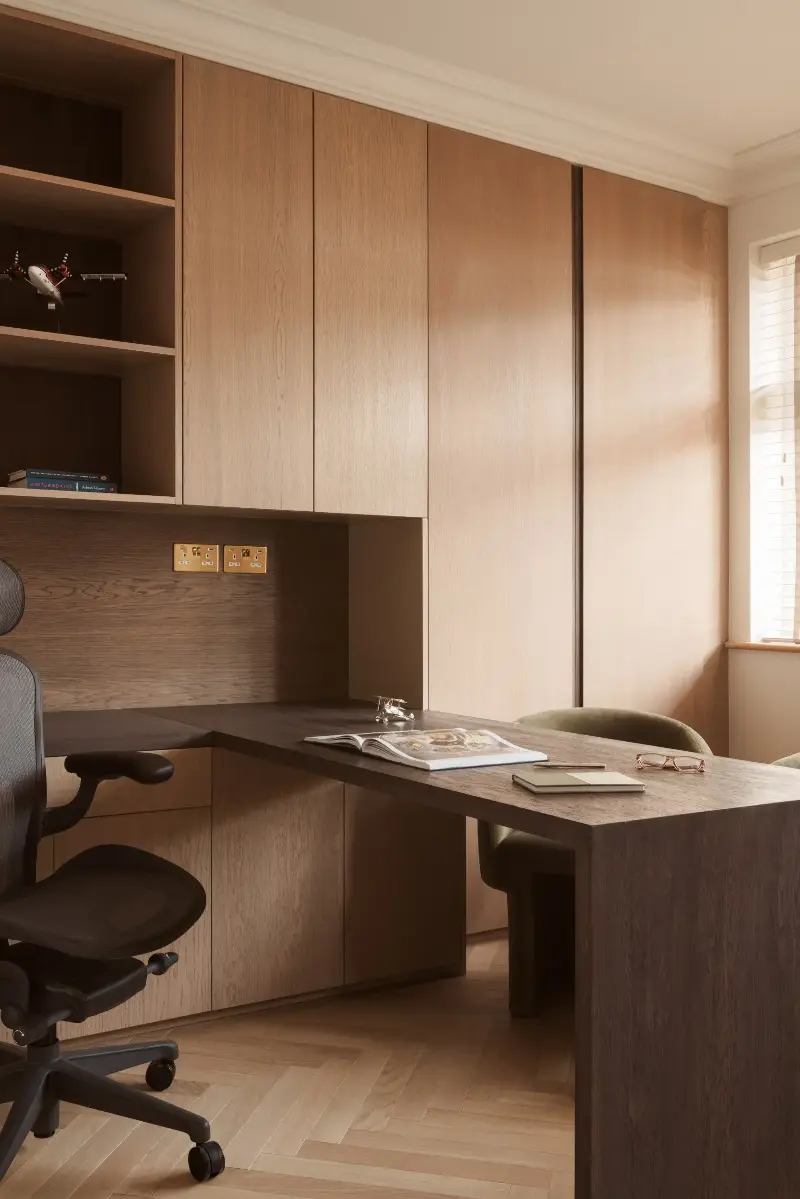
No-one should be shopping for their sofa before they’ve locked in their build budget. Homeowners need to understand what the first fix will cost, which will get the property to a reasonable shell. After that it’s fixed finishes: tiles, flooring, sanitaryware; these have to be prioritised. On second fix a space should be liveable. Only then do furniture and soft furnishings come in.
I’m of the view that these can be phased; if you have to wait a little bit longer to buy the curtains that you really want, then it’s worth it. Approach the project the other way around and you’ll definitely spend a lot more than you planned to.
Have a clear purpose when it comes to fitted joinery
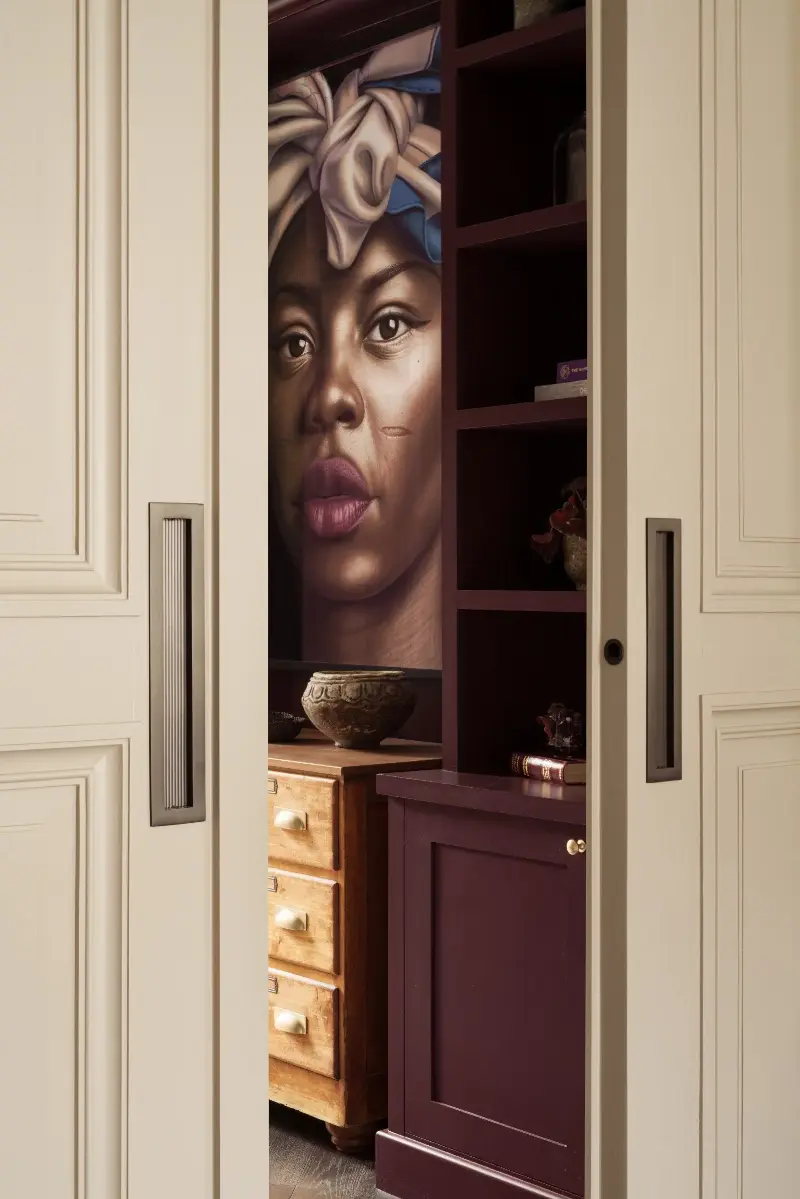
Joinery is so expensive now; I’d rather clients had temporary pieces such as free-standing shelves or rails for wardrobes while they figure out what storage they actually need in that space. I used to work for a high-street fitted-furniture company and the designers work on commission, so while someone might think they’re getting a free design service, the real goal is to sell.
Often people will rush into having wardrobes fitted without really considering what they need to store: standard shelves and rails aren’t always the best option. The same applies to living room joinery: just because everyone else has shelves either side of a chimney breast, it doesn’t mean you have to do the same.
Don’t default to fitting the sink on a kitchen island
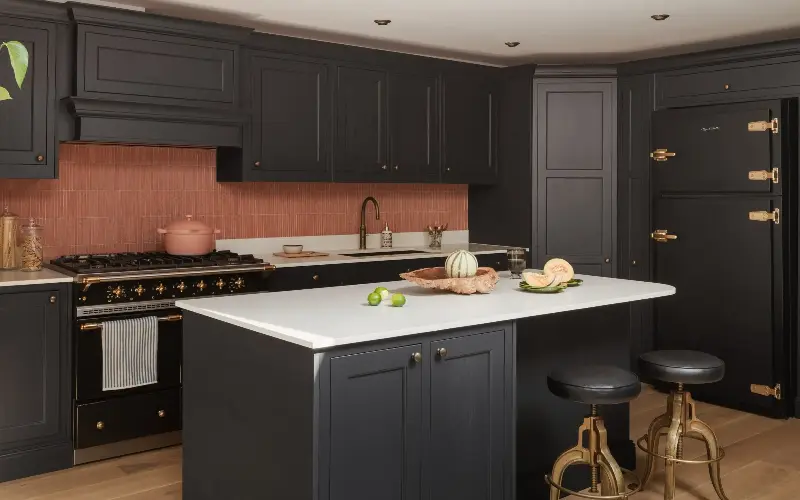
We design homes for our clients around their lifestyle, so if someone doesn’t stack the dishwasher immediately, then a pile of dirty dishes in plain sight perhaps isn’t the best option for an open-plan kitchen. People often think that a hob is a messier island option than a sink, but a sleek induction hob is much more aesthetically pleasing than a sink.
What it comes down to is really considering how you’re going to use a space and make decisions accordingly, rather than opting for what everyone else is doing. There’s a fear around making choices that are different, which is why I started sharing advice on social media. Think outside the box and do something because you genuinely like it.