



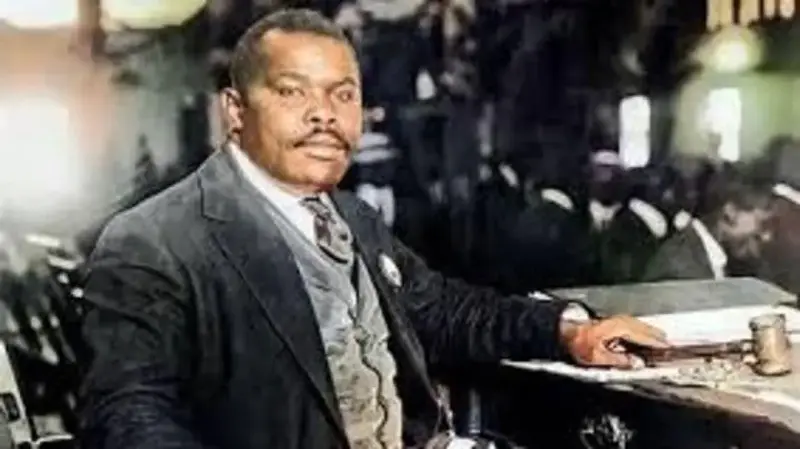
Marcus Garvey believed that history and culture give individuals and communities a sense of belonging and purpose. Just as a tree depends on its roots for nourishment and stability, people depend on their cultural and historical foundations to grow confidently and preserve their values.
One of his quotes remains highly relevant in today’s rapidly changing world.
Quote of the day
“A people without the knowledge of their past history, origin and culture is like a tree without roots.” - Marcus Garvey
The quote suggests that knowledge of history, culture, and heritage provides identity, strength, belonging, and direction, helping people remain grounded and united.
This quote was said by Marcus Garvey, the famous Jamaican political activist, publisher, and leader of the Pan-African movement. The statement comes from his speeches and writings, emphasising the importance of cultural awareness, African heritage, and historical knowledge in building self-respect and unity among people of African descent.
Meaning of the quote
This quote compares people to a tree and history to its roots. A tree cannot survive, grow, or remain strong without roots. Similarly, individuals and societies need to understand their history, traditions, and cultural background to maintain their identity and direction. Knowing where we come from helps us appreciate our values, learn from past experiences, and build a better future.
Without knowledge of history and culture, people may lose their sense of belonging and become disconnected from their heritage. The quote teaches that historical awareness is essential for personal growth, social unity, and cultural preservation.
Why this quote resonates
This quote resonates because many people today live in a globalised world where traditions and cultural identities can sometimes be overlooked. It reminds us that understanding our roots helps us develop self-confidence and pride in who we are. Communities that preserve their history are often stronger and more united.
The quote also encourages respect for ancestors and appreciation of the sacrifices that shaped the present. It's a simple comparison between people and a tree that makes the message easy to understand and universally meaningful.
How can you implement this
- By learning about your family history, local traditions, and cultural heritage.
- Reading historical books, visiting museums, participating in cultural events, and speaking with elders can deepen your understanding of the past.
- Schools and communities can promote cultural education and historical awareness.
- By respecting traditions while embracing progress, individuals can remain connected to their roots and contribute positively to society.
- Understanding history also helps us avoid repeating past mistakes and inspires us to build a better future.
Who was Marcus Garvey?
Marcus Garvey was born on 17 August 1887, in Saint Ann's Bay, Jamaica, to Marcus Mosiah Garvey Sr., a stonemason, and Sarah Jane Richards, a domestic worker. He received his early education at local schools in Jamaica, but was largely educated himself through extensive reading and practical experience.
Garvey became one of the most influential advocates of Black pride, economic independence, and Pan-Africanism. He founded the Universal Negro Improvement Association, which became one of the largest movements of people of African descent in history.
He married Amy Jacques Garvey, a journalist and activist who played an important role in his work and legacy. The couple had two sons, Marcus Garvey Jr. and Julius Garvey. Through his speeches, writings, and activism, Garvey inspired millions worldwide to value their heritage and strive for equality, self-reliance, and unity.