


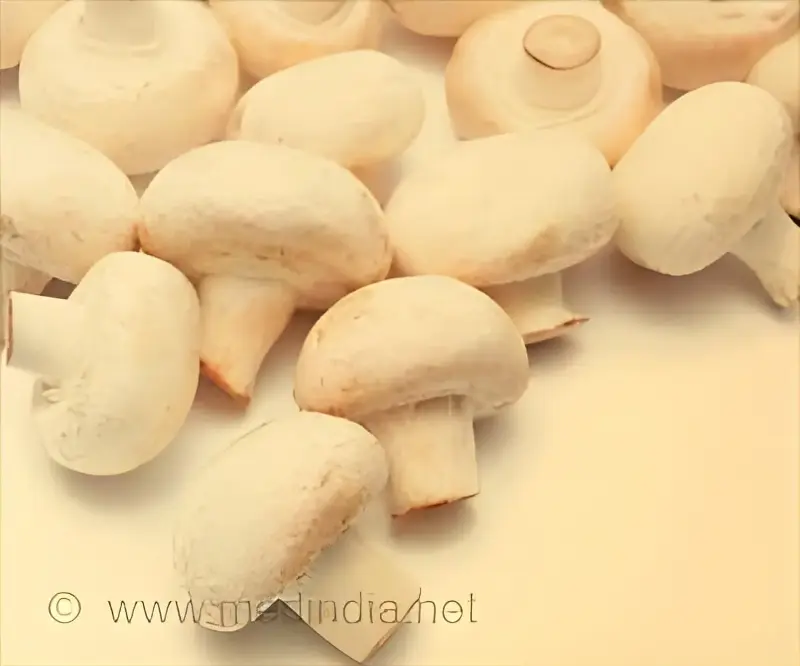
India, June 22 -- A short period of sunlight exposure may significantly boost the vitamin D content of mushrooms. Researchers report that mushrooms exposed to direct sunlight produce vitamin D2 through a natural UVB-driven process, making them one of the few plant-based dietary sources of this nutrient. While fresh retail mushrooms typically contain less than 1 g of vitamin D2 per 100 g, sliced Mushrooms exposed to midday sunlight have been shown to reach 17.5 g/100 g after 15 minutes and 32.5 g/100 g after 60 minutes, providing nutritionally meaningful amounts of vitamin D that can contribute to daily dietary intake (1).
Vitamin D is essential for maintaining healthy bones, supporting muscle function, helping the body absorb calcium, and contributing to normal immune function (3). The recommended daily intake is 15 g (600 IU) for most adults aged 1-70 years and 20 g (800 IU) for adults older than 70 years (3).
Because vitamin D deficiency remains common worldwide, researchers continue to explore practical ways to improve dietary vitamin D intake. Mushrooms are unique because they are among the few plant-based foods capable of naturally producing vitamin D when exposed to sunlight (1), (2).
How Do Mushrooms Produce Vitamin D?
Mushrooms contain a naturally occurring compound called ergosterol. When ultraviolet B (UVB) rays from sunlight strike the mushroom surface, ergosterol is converted into vitamin D2. This process is similar to the way human skin produces vitamin D after sun exposure, although humans primarily produce vitamin D3 while mushrooms produce vitamin D2 (1).
Most commercially grown mushrooms are cultivated indoors under controlled conditions and receive little natural sunlight. As a result, fresh retail mushrooms often contain very low levels of vitamin D unless they are intentionally exposed to sunlight or UV radiation after harvesting (1), (2).
How to Increase Vitamin D in Mushrooms at Home
Research suggests that a simple preparation method can increase vitamin D production in mushrooms (1):
Slice or chop mushrooms to increase the exposed surface area.
Place them with the gills facing upward.
Expose them to direct outdoor sunlight for approximately 15-30 minutes.
Avoid placing them behind glass because UVB rays are largely blocked by windows.
The gills contain higher concentrations of ergosterol than other parts of the mushroom, making them particularly effective at producing vitamin D when exposed to sunlight (1).
Does Cooking Reduce Vitamin D in Mushrooms?
One advantage of sunlight-exposed mushrooms is that vitamin D2 remains relatively stable during cooking. Research has shown that roasting, baking, grilling, boiling, and stir-frying preserve a substantial proportion of the vitamin D produced through sunlight exposure (1.
In one study, mushrooms retained approximately 62-67% of their vitamin D2 after boiling or baking and up to 88% after pan-frying without oil (1). Researchers have also reported that vitamin D-enhanced mushrooms retain nutritionally relevant amounts of vitamin D during refrigerated storage for up to one week (1).
Common mushroom varieties that respond well to sunlight include white button, cremini, portobello, oyster, and shiitake mushrooms. Shiitake mushrooms are particularly effective because their gills naturally contain higher concentrations of ergosterol (1).Can Sunlight-Exposed Mushrooms Help Improve Vitamin D Intake?
Sunlight-exposed mushrooms may help increase dietary vitamin D intake, especially among vegetarians and individuals who consume limited animal-based foods. Since very few plant foods naturally contain vitamin D, mushrooms provide a unique dietary option (1), (2).
Human studies have also demonstrated that vitamin D2 from UV-exposed mushrooms is bioavailable, meaning it can be absorbed and utilized by the body. In a study involving 30 healthy adults, vitamin D2 from mushrooms was found to be as effective as supplemental vitamin D2 in raising blood vitamin D2 levels over three months (1).
However, vitamin D production varies depending on mushroom species, sunlight intensity, season, weather conditions, geographic location, and exposure time. Therefore, not every mushroom exposed to sunlight will produce the same amount of vitamin D (1).
Easy Ways to Include Vitamin D-Rich Mushrooms in Your Diet
Easy Dish Main Ingredients Preparation
Mushroom Stir-Fry Mushrooms, onions, bell peppers Stir-fry for 5-7 minutes and serve with chapati or whole grains
Mushroom Soup Mushrooms, onion, vegetable stock Simmer ingredients until tender and serve warm
Grilled Mushroom Salad Mushrooms, lettuce, tomatoes, lemon juice Grill mushrooms and combine with fresh vegetables
To maximize vitamin D production, place mushrooms outdoors in direct sunlight rather than behind a window, as glass blocks most UVB rays needed for vitamin D synthesis (1). Positioning mushrooms with their gills facing upward and slicing them before exposure can further enhance vitamin D production because more ergosterol is exposed to sunlight (1).
After sun exposure, mushrooms can be refrigerated for several days while retaining nutritionally meaningful amounts of vitamin D (1). Although sunlight-exposed mushrooms can contribute to daily vitamin D intake, they should be viewed as part of a balanced diet and not as a substitute for prescribed vitamin D supplements or medical treatment for vitamin D deficiency (1), (3).
A Simple Kitchen Habit with Real Nutritional Value
The ability of mushrooms to naturally produce vitamin D is one of the most remarkable features among commonly consumed foods. A short period of sunlight exposure before cooking can significantly increase their vitamin D content without changing their taste, texture, or preparation method (1).
Although sunlight-exposed mushrooms should not be considered a treatment for vitamin D deficiency, they can contribute to overall dietary vitamin D intake and may be particularly valuable for vegetarians and people seeking more plant-based nutrient sources (1), (3). The underlying biological mechanism is well established, and available evidence supports this simple, low-cost kitchen practice as a practical way to enhance the nutritional value of everyday meals.