


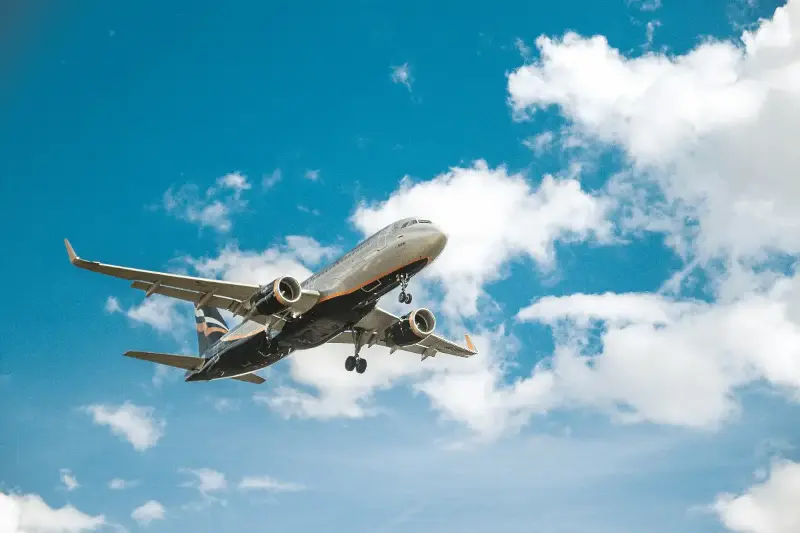
Long-haul flights are a modern miracle—they whisk us to new continents, vibrant cultures, and unforgettable adventures. However, spending hours at 35,000 feet can also challenge our comfort and wellbeing. Whether you are heading to a high-stakes business meeting in Tokyo or a leisurely escape in Paris, arriving at your destination ready to explore is the ultimate goal. Fortunately, emerging refreshed after a red-eye or a twelve-hour journey is entirely within your reach. With strategic preparation, you can say goodbye to jet lag and fatigue, stepping off the plane feeling energized and prepared for the journey ahead.
CHOOSING THE RIGHT SEATS FOR MAXIMUM COMFORT
Your journey to comfort begins long before you board: the seat you select sets the stage for your entire experience.
- Window seats: Ideal for leaning against, these provide a private corner for undisturbed rest. You also gain control over the window shade, which is vital for adjusting to new time zones.
- Aisle seats: These offer the ultimate freedom to stretch your legs and access the restroom without needing to disturb your seatmates.
Be mindful of your proximity to lavatories or galleys, as high traffic and noise can easily disrupt your sleep. If you are willing to invest a little extra, bulkhead and exit row seats provide substantial legroom, making them a top choice for travelers who feel cramped easily. Additionally, newer aircraft models are often designed with optimized cabin pressure and higher humidity levels, which can significantly reduce in-flight fatigue.
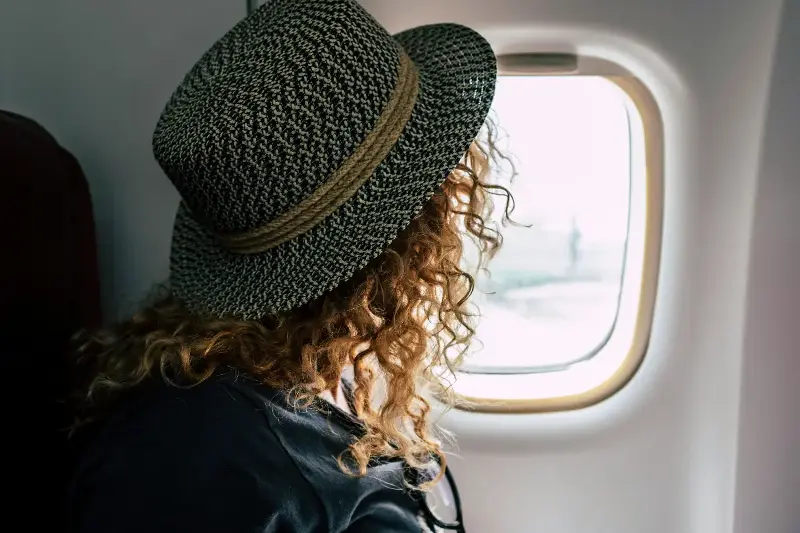
SMART PACKING FOR YOUR IN-FLIGHT ESSENTIALS
A well-organized carry-on is the frequent flyer’s secret weapon. To create a sanctuary of comfort, consider packing these essentials:
- Comfort items: A soft neck pillow, a high-quality eye mask, and a lightweight scarf to manage cabin temperature fluctuations.
- Noise-cancelling gear: High-quality headphones are a game changer, effectively masking engine hum and cabin chatter.
- Hydration and skincare: Since airplane air is notoriously dry, bring a refillable water bottle, lip balm, and a small moisturizer to keep your skin hydrated.
- Hygiene: A change of clothes or fresh socks can provide a vital sense of renewal before you land.
- Health kit: Carry disinfectant wipes for your tray table, along with personal essentials like compression socks, which are critical for circulation and reducing swelling during long periods of inactivity.
MASTERING SLEEP STRATEGIES IN THE SKY
Getting quality rest in a cramped space requires a proactive strategy. Adopt your destination’s time zone as early as possible—ideally as soon as you board. Adjust your watch and resist the urge to take long naps if you are trying to sync your internal clock.
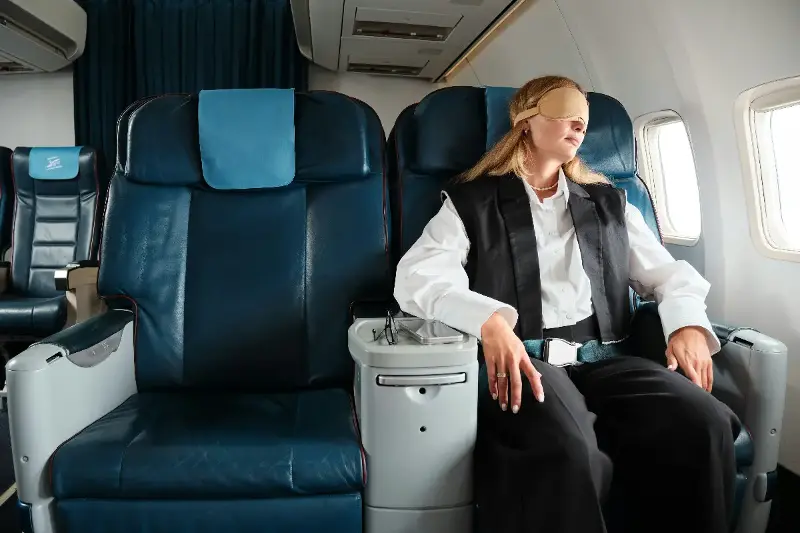
Instead of stimulants, opt for herbal teas or pure water to stay hydrated. Set the scene for deep sleep by dimming your overhead light, wearing your eye mask, and listening to calming audiobooks or soothing music. If you are prone to anxiety, consider simple breathing exercises to keep your mind calm and focused on the exciting trip ahead.
MOVEMENT MATTERS: STRETCHING AND CIRCULATION
It is tempting to stay curled up in your seat for hours, but remaining motionless can leave your muscles feeling stiff. Set a timer to remind yourself to stand up and walk the aisle every 90 minutes. Simple movements—such as flexing your toes, rolling your ankles, or performing gentle seated stretches—can boost your circulation and dramatically improve your comfort levels.
HEALTHY EATING ON THE GO
While airplane menus have improved, many options are high in sodium and heavy carbohydrates, which can leave you feeling sluggish. Whenever possible, preorder a special meal, such as vegetarian or low-sodium, as these are often lighter and fresher. Packing your own nourishing snacks—like raw nuts, fresh fruit, or protein-rich bars—is an excellent way to maintain steady energy levels throughout the flight. Eating light, particularly during the hours you intend to sleep, supports your digestion and helps your body transition gracefully to your new time zone.