



Few habits are as quietly powerful for your complexion as a good night’s sleep. While moisturizers, serums, sunscreens, and balanced meals all play vital roles, sleep is the ultimate time when the body shifts into deep repair mode. Overnight, skin cells renew themselves, circulation shifts, and the natural moisture barrier works to recover from environmental demands.
A single short night can quickly manifest as puffy eyes or a dull appearance. Consistent sleep loss, however, can influence inflammation, hydration, and the skin’s ability to bounce back from daily stress. Beauty sleep is far more than a popular phrase—it is grounded in real human biology.
What Happens to Skin Overnight
The skin operates on a natural daily rhythm, known as a circadian rhythm, much like the brain, digestive system, and metabolic hormones. During daylight hours, its main mission is defense against external elements:
- Environmental exposure: Sunlight, temperature shifts, and outdoor elements.
- Surface buildup: Makeup, sweat, friction, and daily pollutants.
At night, the balance shifts entirely toward recovery. Research suggests that cell renewal and internal repair mechanisms become significantly more active while you rest. Increased overnight blood flow delivers vital oxygen and nutrients directly to the skin, supporting normal maintenance and strengthening the outer protective barrier that locks moisture in and keeps irritants out.

The Hidden Connection Between Stress and Skin
Inadequate rest and physical stress often go hand in hand, creating a visible impact on the face. When rest is limited, the body produces higher levels of cortisol, commonly known as the stress hormone. Elevated cortisol can contribute to inflammation and may interfere with healthy barrier function.
Poor sleep can create conditions that make the skin feel less comfortable and more reactive:
- Sensitivity and flare-ups: Lack of rest can make skin prone to redness, irritation, or unexpected breakouts.
- Visible signs of fatigue: Studies show that tiredness quickly influences facial expression, circulation, and fluid balance, often leading to paler skin or under-eye shadows.
Giving the body adequate time to rest each night allows cortisol levels to settle, creating a calm environment for optimal recovery.
Why the Eyes Reveal Fatigue First
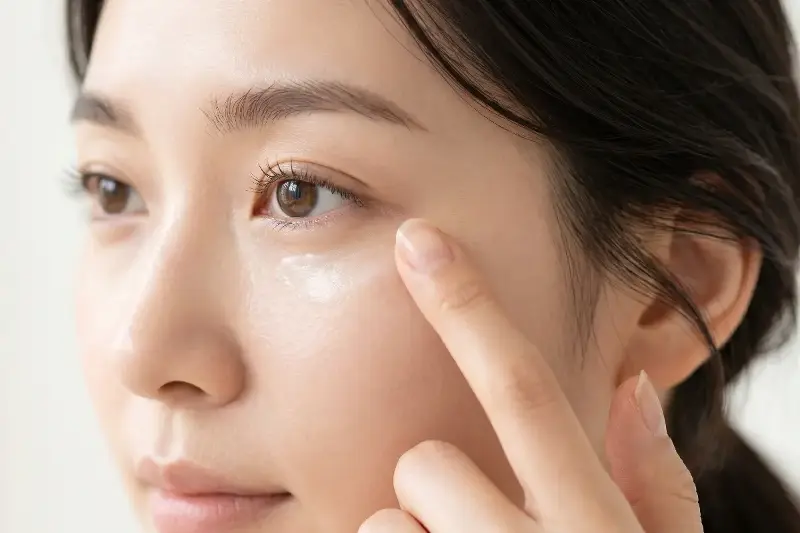
The eye area is typically the first place where a late night becomes obvious. Because the skin around the eyes is exceptionally thin, underlying blood vessels and fluid retention are much easier to see.
While under-eye shadows can stem from genetics, facial anatomy, or natural pigmentation, consistent rest helps minimize the shadowed look caused by poor circulation. Simple adjustments can also help:
- Cool compresses: A chilly compress in the morning can temporarily ease puffiness.
- Slight elevation: Resting with your head slightly elevated prevents fluid from pooling overnight.
- Consistent schedule: Allowing the body time to finish its nightly repair cycle remains the most effective long-term strategy.
Building a Simple, Skin-Friendly Night Routine
A supportive bedtime routine does not require dozens of products. In fact, overusing active ingredients can cause irritation and disrupt a peaceful evening. Consistency and gentle care matter far more than complexity.
Essential steps for an effective nighttime routine include:
- Gentle cleansing: Remove sunscreen, makeup, sweat, and daily grime to prevent trapped oil and impurities.
- Hydrating nourishment: Apply a moisturizer rich in ingredients like glycerin, ceramides, hyaluronic acid, or squalane to support barrier health.
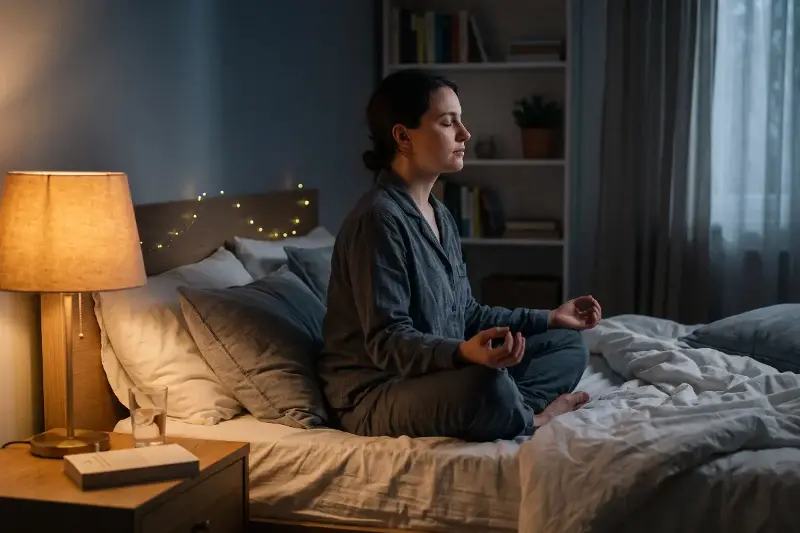
- Restful environment: Keep your bedroom cool, dark, and quiet to prevent overheating, and try putting screens away early to enjoy a relaxing wind-down.
Most adults thrive on seven to nine hours of quality sleep each night. Beautiful skin is not about flawlessness—it is skin that feels comfortable, functions well, and reflects consistent self-care. The most valuable step in any skincare routine costs nothing at all: a restful night of sleep.