


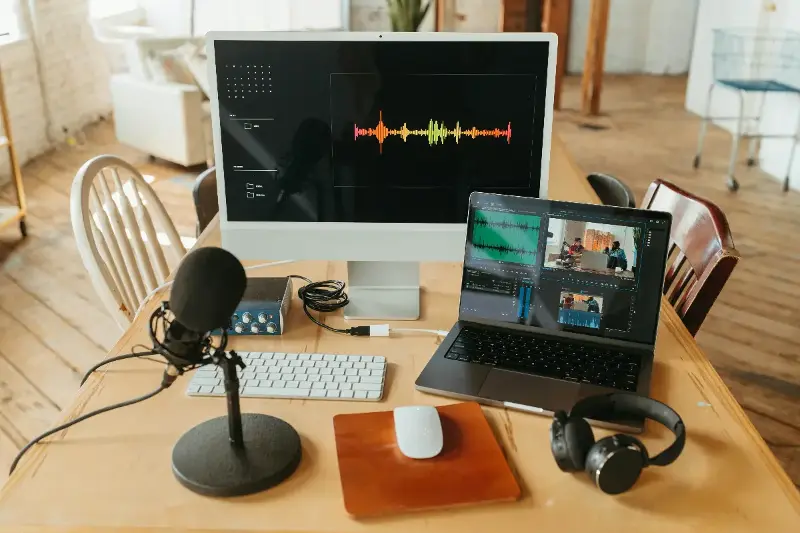
In today’s fast-moving digital world, the right electronic devices do more than make life convenient—they shape your creativity, productivity, and relaxation habits. Whether you are a music lover craving crystal-clear sound, a remote worker seeking a reliable laptop, or a fitness enthusiast tracking every heartbeat, choosing the perfect gadget can feel overwhelming.
Thankfully, you do not need a computer science degree to find devices that align with your lifestyle and budget. All it takes is a bit of strategic planning, focused research, and a dash of curiosity.
UNDERSTANDING YOUR DIGITAL NEEDS
Before you are lured by a flashy commercial or an expensive display, reflect on your real-world requirements. Technology is deeply personal—what fits a colleague’s life may not be ideal for yours. Start by asking:
- Casual User: Do you mostly browse the web, watch videos, and manage emails?
- Power User: Do you require high-end performance for gaming, video editing, or complex workflows?
- Active Lifestyle: Does your routine require wearables to monitor health or rugged tech for outdoor use?
Understanding your priorities is the first step toward tech mastery. By defining your “must-have” features early, you avoid paying for power you will never actually use.
BALANCING PERFORMANCE AND BUDGET
It is tempting to equate high prices with better quality, but that is not always the case. To get the best value, focus on core specifications rather than brand logos.
Apply the 80/20 rule: most users utilize only 20% of a device’s advanced capabilities 80% of the time. For example, a student might prioritize battery life over a professional-grade 4K display. When selecting new gear, prioritize:
- Processor Speed: Ensures smooth multitasking.
- Battery Life: Essential for mobility and reliability.
- Display Quality: Impacts your eyes and overall user experience.
- Storage and RAM: Protects your device from becoming obsolete too quickly.
Budget-friendly tip: Last year’s flagship models often provide premium quality at a significantly lower price point, as they still offer excellent performance long after newer versions launch.
NAVIGATING DIGITAL PLATFORMS: CHOOSE YOUR ENVIRONMENT
Your choice of technology should depend on the digital ecosystem that best supports your workflow. Different environments offer unique advantages:
- Integrated Platforms: Some setups excel at seamless synchronization, allowing you to share files, messages, and calls effortlessly across all your devices.
- Open Platforms: Other environments offer superior customization, allowing you to tailor the hardware and software experience to your specific preferences.
- Dedicated Work Environments: Certain systems are built specifically for business-grade efficiency or heavy-duty creative tasks, offering the most stable foundation for professional work.
- Web-Centric Systems: For those who live in the browser, cloud-based interfaces offer unparalleled simplicity, security, and battery longevity for everyday tasks.
Before buying, consider how your new device integrates with your current tools. Switching environments can mean re-purchasing apps or learning entirely new interfaces.
HIDDEN FEATURES THAT ADD VALUE
Some of the most valuable traits are often buried in the technical manual. Always look for:
- Fast-charging capabilities: A lifesaver for busy professionals.
- Durability: Water and dust resistance provide peace of mind.
- Software support: Prioritize brands that promise long-term security and operating system updates.
- Customer support: A device is only as good as the service backing it up.

DO NOT SKIP THE REVIEWS
Real user experiences are your best defense against buyer’s remorse. Spend time on professional review sites and check forums for common complaints or praises. If you are shopping in person, always go hands-on. Test the weight of the device, the comfort of the keyboard, and the clarity of the screen. Your physical comfort is just as important as the specs on the box.
SUSTAINABILITY MATTERS: GREEN TECH CHOICES
As technology becomes a permanent fixture in our routines, environmental impact matters. Look for manufacturers that prioritize recycled materials and energy efficiency. Choosing a device built to last reduces e-waste and often saves you money in the long run by delaying the need for an upgrade.