



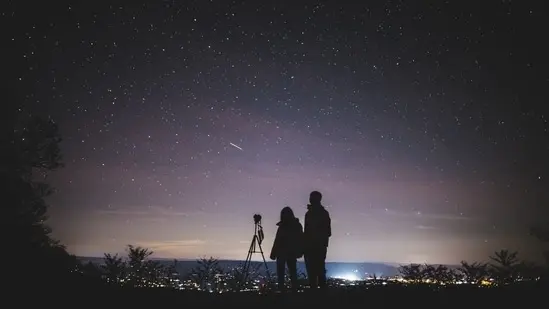
From supermoons and meteor showers to firefly trails and stargazing escapes, nocturnism is emerging as one of India's most exciting travel trends. With the rise of social media, a desire for unique experiences and a growing interest in nature-led travel, travellers are now planning trips around celestial events and seasonal natural phenomena. Thomas Cook India and SOTC Travel shared some of India's most captivating destinations with HT Lifestyle, where the magic truly begins after dark.
Also read | Why are airplane windows always oval? Know the answers to all those random questions about flights
1. Hanle, Ladakh
While the Northern Lights are typically associated with Arctic destinations, Hanle and parts of Ladakh have, on rare occasions during periods of heightened solar activity, witnessed aurora-like displays visible across Himalayan skies. Home to one of the world's highest astronomical observatories, Hanle has become a magnet for astronomy enthusiasts and stargazers seeking extraordinary celestial experiences.
2. Pangong Lake, Ladakh
Few experiences rival witnessing a sky full of stars mirrored on the still waters of Pangong Lake. The lake's remote location, dramatic mountain backdrop and minimal light pollution create spectacular conditions for observing constellations, the Milky Way and meteor showers.
3. Tso Moriri, Ladakh
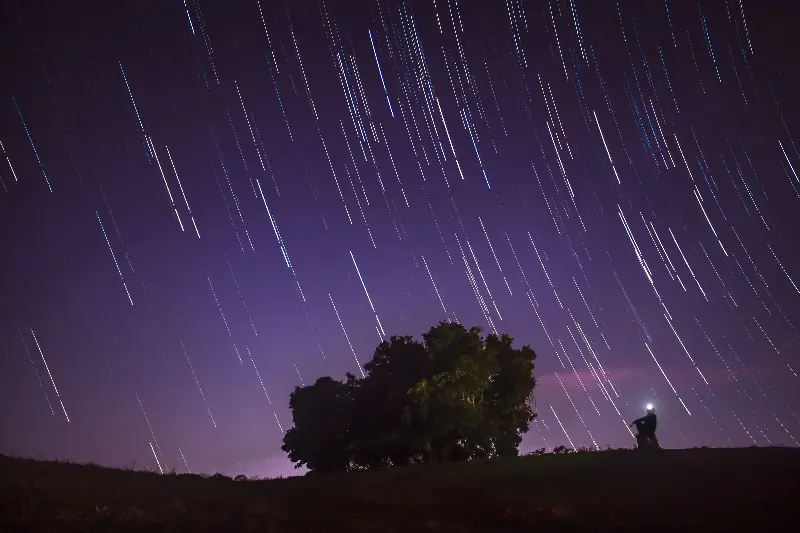
Less frequented than Pangong, Tso Moriri offers remarkable solitude and some of the clearest night skies in India. Its remote setting and high altitude make it a favourite among astrophotographers and travellers seeking immersive celestial experiences.
4. Spiti Valley, Himachal Pradesh
With its remote mountain setting and low population density, Spiti Valley offers spectacular night skies. Villages such as Langza, Komic and Hikkim have become favourites among travellers looking to disconnect from city life and reconnect with nature.
5. Rann of Kutch, Gujarat
The vast white salt flats of Kutch transform into a dreamlike landscape under moonlight. During a supermoon, the desert reflects the moon's glow, creating a surreal visual spectacle that attracts photographers and nature lovers alike.
6. Banni Grasslands, Gujarat
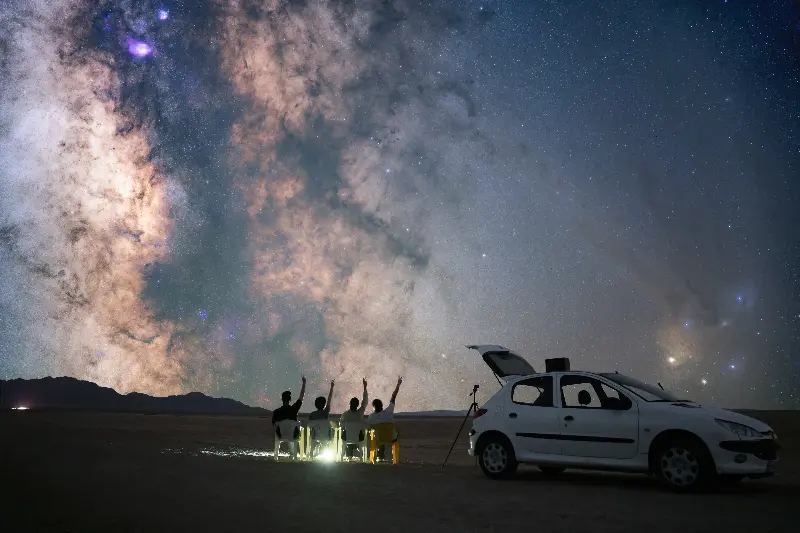
Beyond the famous salt flats lies the Banni Grasslands, where open horizons and minimal light pollution create ideal conditions for observing celestial events. The vast landscape offers uninterrupted views of the night sky.
7. Bikaner and Jaisalmer, Rajasthan
The sweeping landscapes of the Thar Desert provide unobstructed views of the night sky. Meteor showers, supermoons and planetary alignments become even more striking against the dramatic desert backdrop.
8. Gokarna, Karnataka
Known for its laid-back coastal charm and pristine beaches, Gokarna offers a magical after-dark experience when bioluminescent plankton occasionally illuminate the shoreline in shades of blue. Seasonal sightings can transform the waves into a glowing natural spectacle beneath a star-filled sky.
9. Munnar, Kerala
Surrounded by rolling tea plantations and mist-covered hills, Munnar offers tranquil settings for stargazing and nighttime nature experiences. Its elevated terrain and pockets of low light pollution create favourable conditions for observing celestial events.
10. Neil Island and Havelock Island, Andaman Islands
The Andaman Islands are emerging as one of India's most rewarding destinations for astronomy enthusiasts. With minimal light pollution, vast ocean horizons and clear night skies, these islands provide ideal conditions for witnessing planetary alignments, meteor showers and constellations.