



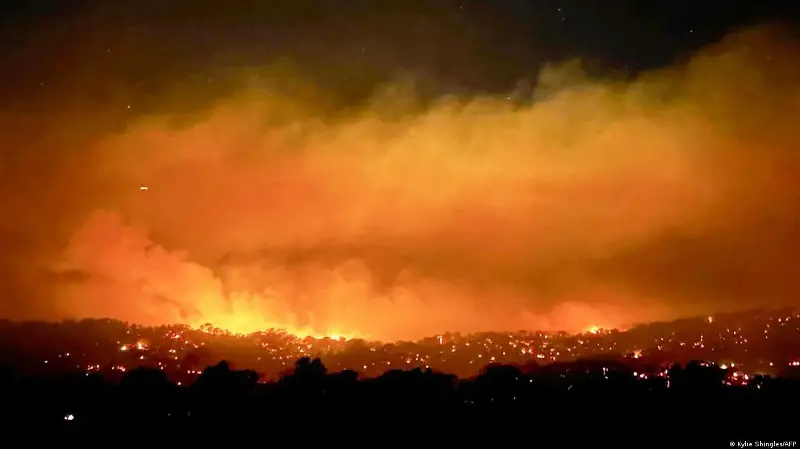
It was 1 a.m. and I struggled to sleep as wind blasted through the forest canopy and the smell of smoke hung in the air from distant fires.
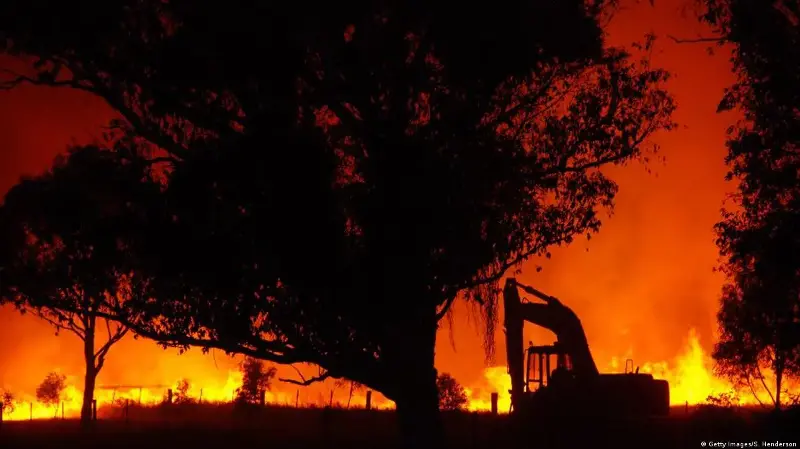
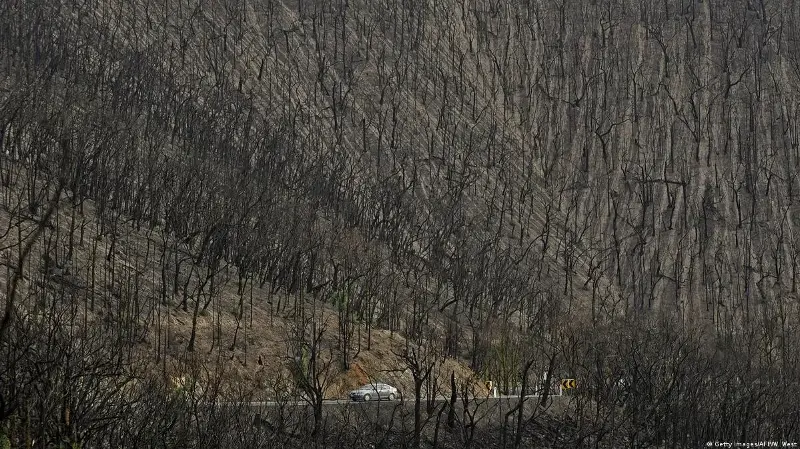
Pastures and bushland were fueling a widening fire-front about 90 kilometers (56 miles) to the north of our mountain home on the edge of Melbourne. In between, endless valleys of fire-prone Eucalyptus forest, dried out over hot summer weeks, were a tinderbox ready to explode.
I'm lucky to live in one of the most beautiful places on earth. But with just a single road out, it can also be very dangerous.
Earlier that evening I had texted a friend whose family owned a large property in the growing fire zone. All but his brother had evacuated, and he was hoping for a change in wind direction.
"Definitely leave," he wrote when I said my family and I were planning to get out the following morning. "Sounds like a bad day tomorrow."
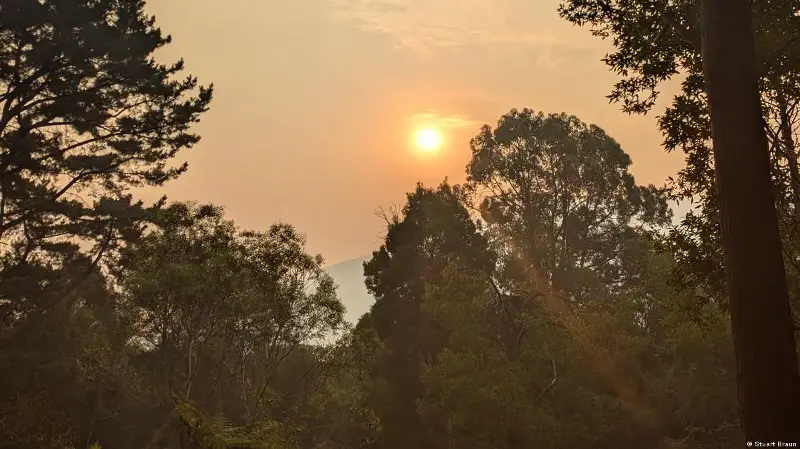
The next day, heat wave temperatures were forecast to reach 46 degrees Celsius (115 degrees Fahrenheit) in parts of the southern Australian state of Victoria. Powerful winds would multiply existing blazes as a "catastrophic" fire danger warning came into effect.
These would be the worst conditions since 2019-2020 when fires engulfed much of southeastern Australia — an area the size of the United Kingdom. Those so-called "Black Summer" fires burnt for months destroying more than 3,000 buildings and claiming 33 lives. Around three billion animals died or were displaced.
During those fires, we were based in Germany. But this time, we are in the same house we lived in when the devastating 2009 "Black Saturday" fires swept through the region, killing 173 people — many in the valleys just beyond our forest cabin.
Back then, we were very naive. We only left the property at the last minute as ash fell from the sky and cyclonic winds turned hundreds of square kilometers of bush into an inferno. For others who fled at the final moment, it was too late. Many were found burnt in their cars.
We had been lucky enough to find sanctuary at a pub with other locals, resigned to watching the wildfires sweep over the mountain and engulf our homes. But a late wind change saved our valley.
Fires fueled by a hotter climate
Black Saturday was arguably Australia's first megafire of the climate change age.
The driest inhabited continent on earth, Australia has already warmed around 1.6 degrees Celsius since pre-industrial times — about 1.4 times the global average. Meanwhile, 2024 and 2025 were the second and fourth hottest years on record.
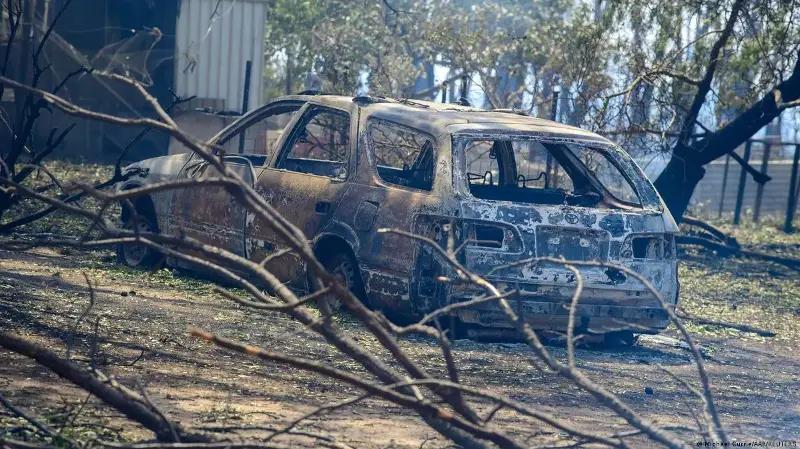
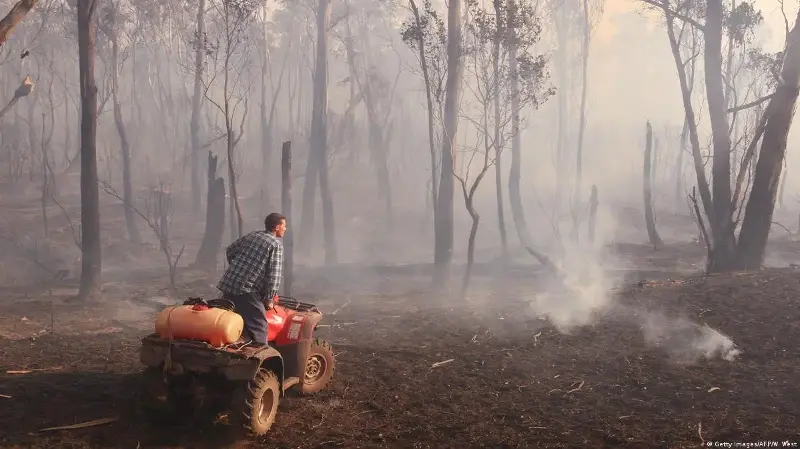
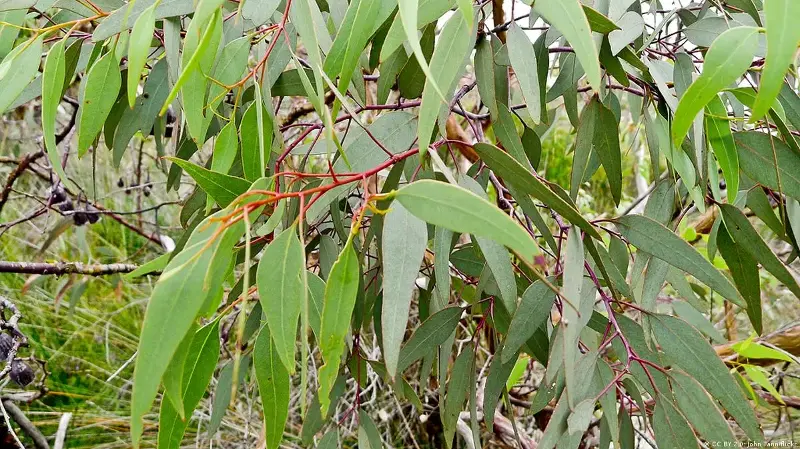
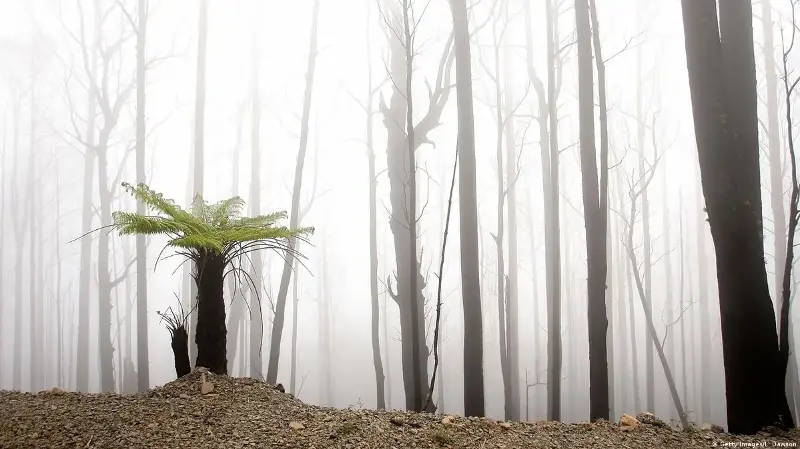
While Australia's eucalyptus forests are designed to burn as part of a natural regeneration cycle, rising temperatures make them fodder for bigger, more frequent and intense wildfires that self-generate lightening, thunderstorms and hurricane-like winds.
Residents getting out early
The consistency of extreme fire weather in Australia has shifted policy — and attitudes.
When Black Saturday hit more than 15 years ago, residents routinely stayed back to safeguard their homes.
But extreme bushfires are becoming impossible to defend against. An investigation into those tragic blazes reviewed a "stay and defend or leave early" policy, which has now been replaced with an approach that encourages residents to get out well in advance.
When the fires peaked last week, Victorian Premier Jacinta Allan advised residents to evacuate. "I know how hard it is to leave homes," she said. "But it's the best way to save lives."
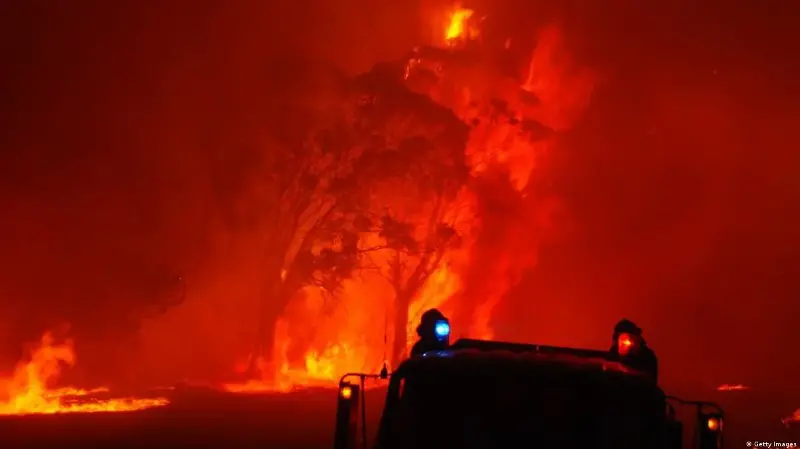

The morning after my sleepness night, we followed those instructions. Some neighbors, we discovered, had packed up and left in the middle of the night.
The need to adapt to a new climate reality has been helped by an array of emergency fire and weather phone apps, and a deluge of information from local councils helping residents prepare for the next catastrophe.
Back in 2009, when so many lives were lost, we only had the radio and hazy anecdotal reports to help us make decisions. There was a sense that firefighters were not only battling the primary blazes but had to divert resources to save people caught in the fire who had not evacuated in time.
This time, communities were opening their doors to evacuees. A friend who owns a pub outside the fire zone, made her hotel rooms available to people fleeing a large grass fire to the north. "People can camp in the band room if needed," she told me by text as the pub was filling up.
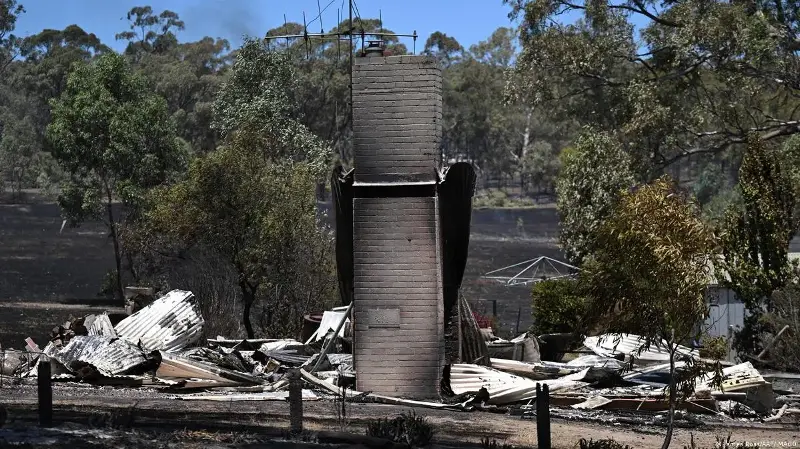
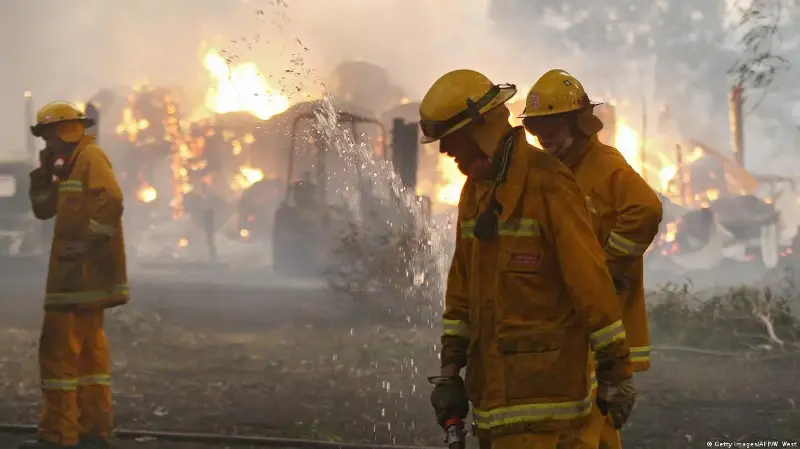
Several towns ultimately lost dozens of buildings as fires ripped through settlements in the central Mount Alexander Shire around the town of Castlemaine. The local mayor, Toby Heydon, reported that there were no direct casualties — one man died of a heart attack while fleeing the flames — and praised residents for heeding the call to leave early.
"You guys put your safety and the safety of the community first by getting out of harm's way," he told people gathered at a relief center.
The Australian prime minister, Anthony Albanese, visited these same devastated towns in the aftermath. Yet despite his concern, some have wondered why his government has approved 32 major fossil fuel projects since taking office in 2022.
The new coal and gas facilities are expected to produce over 6.5 billion tons of greenhouse gases, which amounts to one-eighth of global annual emissions, say experts.
Burning fossil fuels is the biggest driver of climate change. As an apocalyptic fervor gripped Victoria in the first days of this new year, some commentators noted the irony that climate-amplified extreme weather was again hitting one of the world's biggest fossil energy producers.
Lives saved but fires will continue to devastate
So far, one life has been lost in these latest Victorian bushfires that have been declared a disaster.
Properties in our valley were spared, and we returned home after two days in the city. But I have little sense of relief.
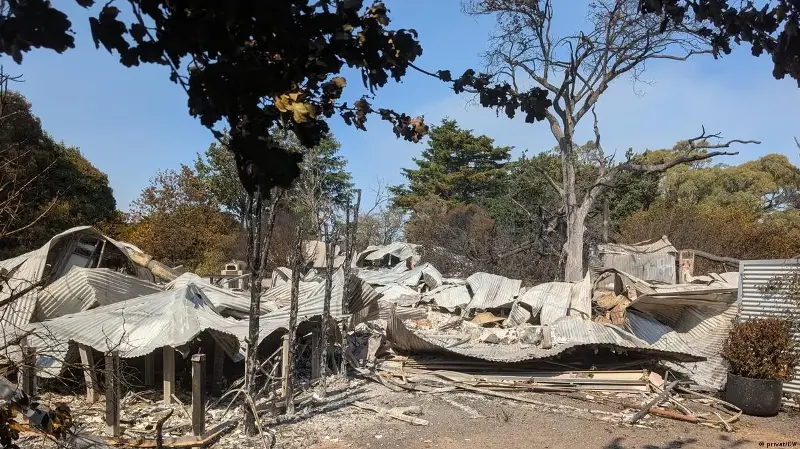
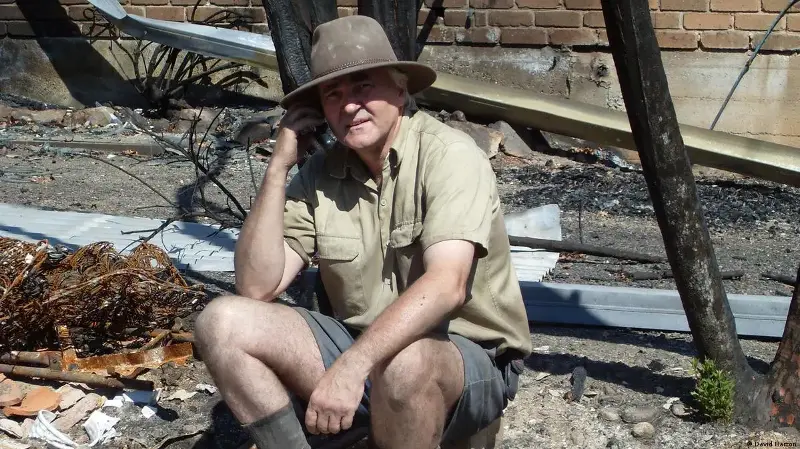
My friend who encouraged us to get out was later told that his family property near the town of Yea, lovingly built over generations, was tragically destroyed. Several fire trucks could not save it.
Few are untouched by the devastation of these worsening wildfires. Edited by: Tamsin Walker