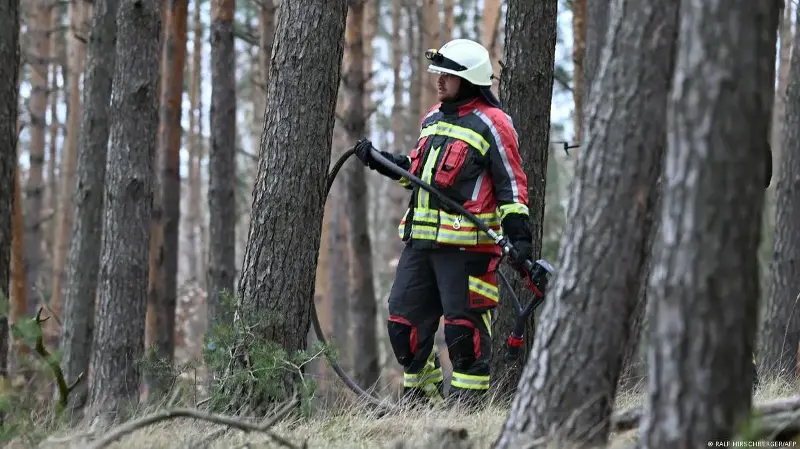
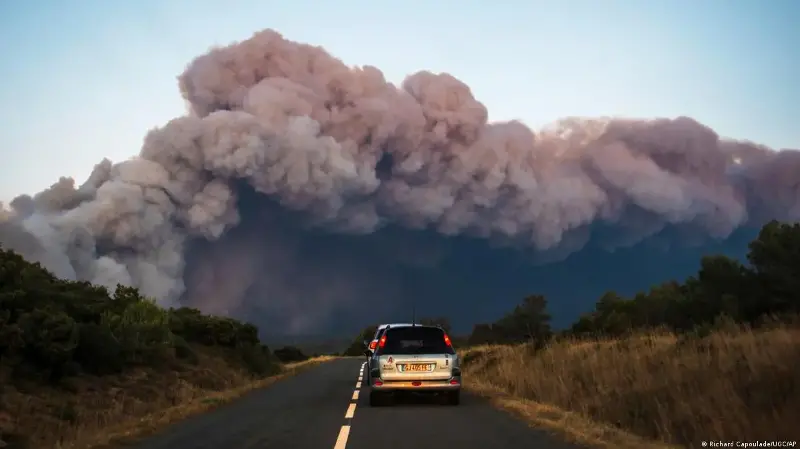
Firefighters in southern France are grappling to control a large wildfire that has swept through an area bigger than the size of its capital, Paris. Spain and Portugal are also battling wildfires.
Forests are once again burning in many parts of the world. In most cases, forest fires are caused by humans: either intentionally to expand agricultural land, or unintentionally when discarded glass, cigarette butts or even hot car exhaust pipes ignite dry forest or grasslands.
Global heating caused by the emission of greenhouse gases is another major wildfire accelerator.
"Climate change has created a rapidly changing situation in which it is getting hotter and hotter worldwide and drier and drier in many places, and the risk of forest fires is increasing," said Albert Wotke, a forest expert at the World Wildlife Fund (WWF), an environmental protection organization.
Between 2001 and 2024, wildfires wiped out 152 million hectares of trees, which comprises a third of the loss of all trees globally during the same period.
Extreme wildfires worldwide will increase by about 14% by 2030, and 30% by 2050 according to the United Nations Environment Program (UNEP).
And as more global regions experience more heat and drought, fires are also increasingly breaking out in places once humid enough to prevent them — such as rainforests in the Amazon and Indonesia.
"We can try to prevent it, but we as humanity must adapt to it," said Wotke.
Healthy forests offer natural fire protection
The best protection against extreme fires is natural forests, said Sven Selbert, responsible for forest conservation and sustainable forest use at the German nonprofit Nature and Biodiversity Conservation Union, NABU.
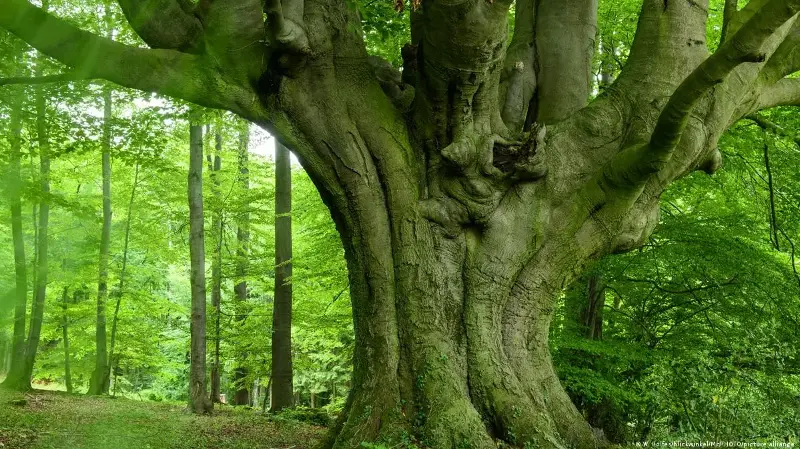
In central Europe, for example, healthy deciduous forests are cool, shady and naturally resilient to fire. "They simply don't burn as well," Selbert told DW. "Firstly, because they don't let as much light onto the ground, which suppresses the undergrowth, especially grasses. And secondly, because their leaves are not very flammable."
Conifers, on the other hand, contain a lot of flammable tree resin. Grass often grows on the ground in sparse pine forests, and when dry, it acts like tinder, explained Selbert. And if the trees are planted close together as a monoculture, fire can spread quickly.
On the Canary Islands, however, the endemic pines are well-adapted to regular fires and volcanic eruptions. When exposed to flames, the very thick bark does not char but only crusts over. Thanks to this built-in protection, new green shoots soon sprout from native trees.
In the Mediterranean region, the profusion of non-native eucalyptus trees has increased the fire risk. Imported from Asia and Australia, the fast-growing species used for timber and paper production extract a lot of water from the soil and are rich in oils.
Destructive wildfires in Portugal in 2017 were typically accelerated by eucalyptus monocultures.
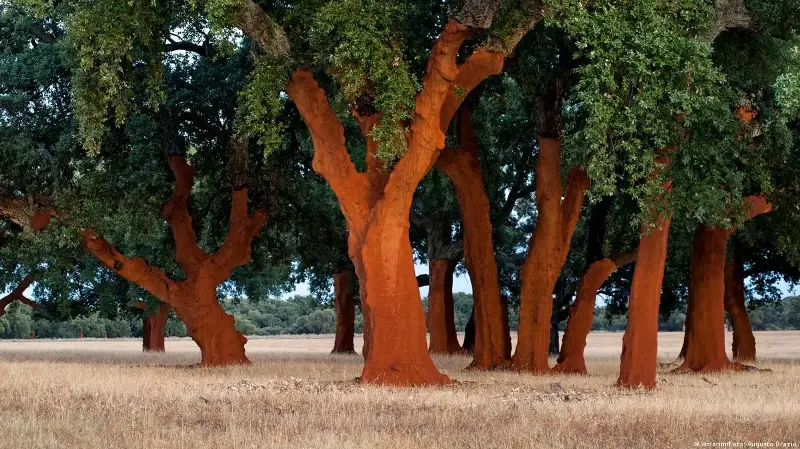
The original vegetation of the Mediterranean region consisted mainly of sclerophyllous trees such as holm oaks, cork oaks and olive trees. These trees are adapted to drought and fire. However, little of this vegetation remains due to human settlement, agriculture and grazing.
Making forests more fire-resistant
Rehabilitating natural forest is one means of increasing fire resilience, but it's a slow process. It takes about 90 years for a beech tree to reach a diameter of 60 centimeters and a height of 25 meters (about 80 feet).
That's why, in the short term, it will be important to reduce fuel loads in forests, said Lindon Pronto, a former firefighter and California-based forest fire management expert with the European Forest Institute.
He suggests removing highly combustible grass or dry branches from the forest floor via mechanical mowing or digging, animal grazing or controlled burning in the cooler months. Such so-called prescribed burning was also common among Indigenous peoples in North America and Australia, he said.
Preventing wildfires with firebreaks
Another strategy to combat wildfires is a firebreak built several meters wide and kept free of all vegetation. As the flames find no further material to feed on, the fire can be slowed or even stopped, according to Selbert.
Firebreaks can also be watered to make it even more difficult for the flames to cross them. This is a strategic tactic in times of drought when scant water supplies cannot extinguish wildfires fires over a wide area.
Roads and rivers can also serve as firebreaks, but the roadside should be kept free of combustible material such as grass, bushes and trash, said Selbert.
Under the right wind conditions, firefighters can also employ so-called tactical backfires. They run toward the existing fire and consume all combustible material in their path, said Pronto.
What are known as green firebreaks can also be planted around population centers and civil infrastructure. In central Europe, they come in the form of "native deciduous tree species," said Selbert.
Meanwhile, any highly flammable plants should be removed from around and within towns and villages when possible.
Failure to clear Los Angeles of non-native grass species such as cheatgrass helped fuel the devastating wildfires that spread through the region in late 2024 and early 2025.
"Cheatgrass burns very well and very quickly and grows very tall, and when it burns, sparks fly relatively far," said Selbert.
Such plants could be suppressed through grazing, or replaced by native plants that are less flammable.
Speed of the essence
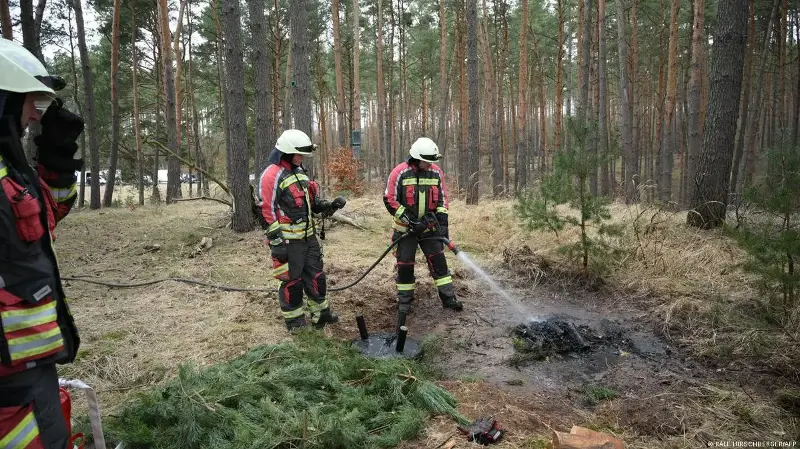
Combating fest-spreading wildfires requires fast action, meaning blazes must be detected as early as possible, said Wotke of the WWF.
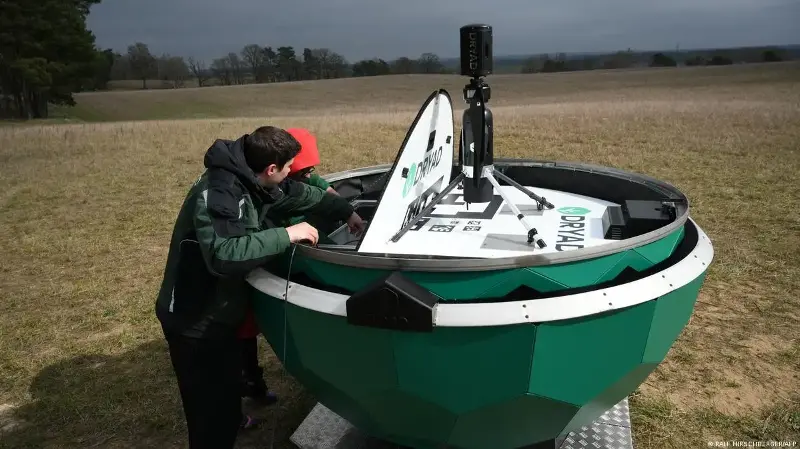
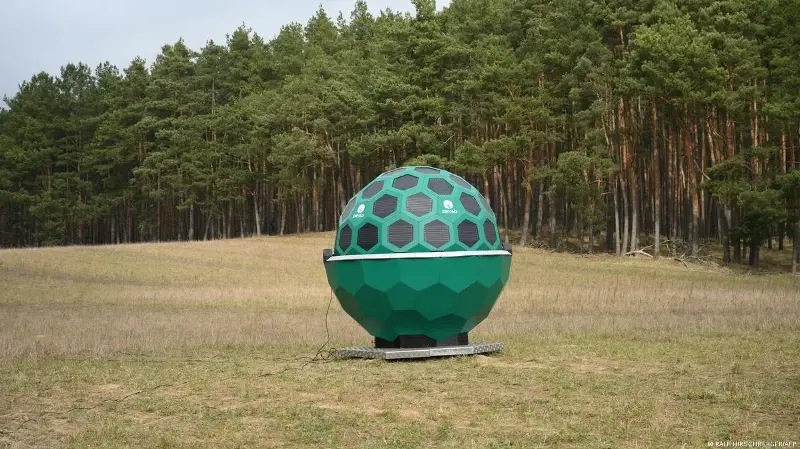
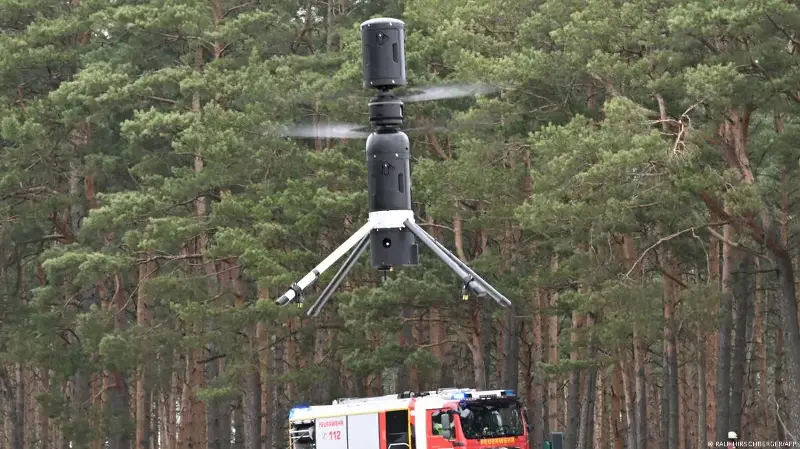
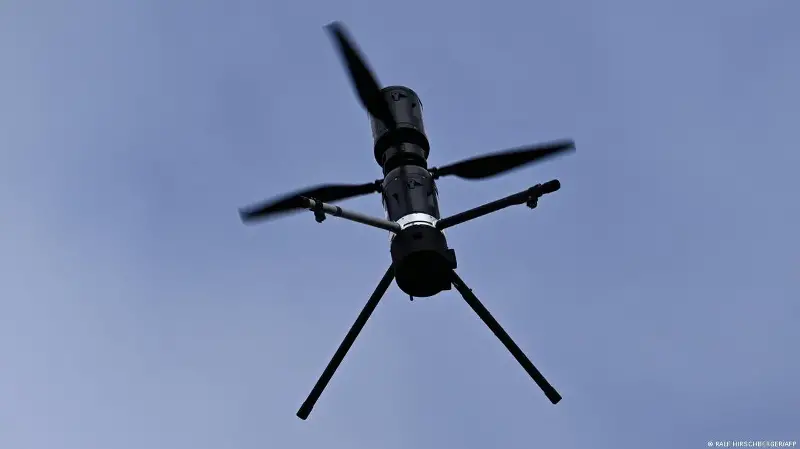
In some German states, fire surveillance cameras have been installed on cellphone towers, water towers or old fire watchtowers. They rotate in a circle, taking photos submitted for remote evaluation. If a fire is confirmed, the responsible fire department is notified immediately.
However, Wotke warned that conditions on the ground must also be right for a successful firefighting operation.
"This means that wells must be dug or access routes to lakes created," he said. Firefighting planes or helicopters must also be on standby in particularly vulnerable regions.
In a hotter and drier world, forest fires are becoming more frequent and more intense. But good preparation, better forest management and protective measures can help prevent the worst.
This article was originally written in German.
Correction, August 7, 2025: An earlier version of this article misspelled the name of Albert Wotke. DW apologizes for the error.